The Pentagon formally labels Anthropic a supply-chain risk is currently attracting attention in the technology world.
Experts believe this development may influence how digital platforms evolve
over the coming years.
The topic has already sparked discussions among developers, analysts,
and industry observers who are closely monitoring how the situation unfolds.
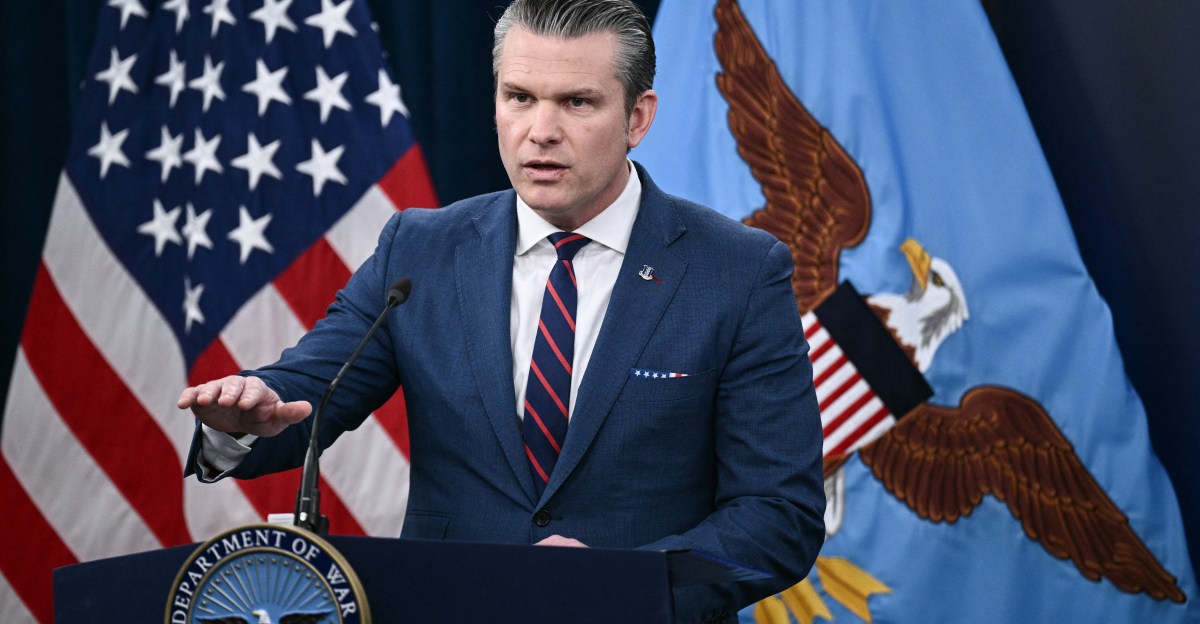
Pete Hegseth had been threatening to punish the AI company for not loosening its acceptable use policy. Now, it’s official.
Pete Hegseth had been threatening to punish the AI company for not loosening its acceptable use policy. Now, it’s official.
After weeks of failed negotiations, public ultimatums, and lawsuit threats, the Defense Department has formally labeled Anthropic a “supply-chain risk,” escalating its fight with the AI company over their acceptable use policies and potentially bringing their fight to court.
The decision, first reported by The Wall Street Journal on Thursday, citing one source familiar, will bar defense contractors from working with the government if they use Claude, Anthropic’s AI program, in their products. Though the designation is typically applied to foreign companies with ties to adversarial governments, this is the first time that an American company has publicly received this label.
In a post on the company blog published on Thursday evening, Anthropic CEO Dario Amodei confirmed that they had received the notification from the Pentagon on Wednesday. “As we wrote on Friday, we do not believe this action is legally sound, and we see no choice but to challenge it in court,“ he stated.
At the heart of the conflict is Anthropic’s refusal to allow the Pentagon to use Claude for two purposes: autonomous lethal weapons without human oversight, and mass surveillance. The Pentagon has argued that Anthropic’s demands for control over government usage would place too much power in the hands of a private company, while Anthropic was not reassured that the government would respect their red lines. The negotiations grew ugly, however, as the Pentagon increasingly threatened to use the supply-chain risk designation should Anthropic refuse to comply with their demands. After Anthropic announced last Thursday that they would not comply, the Pentagon made good on that threat. (The Pentagon did not comment on the record. Anthropic did not immediately return a request for comment.)
It is unclear how broadly the Pentagon will attempt to apply their enforcement of this designation. On Friday, when he announced his intent to label Anthropic a risk, Defense Secretary Pete Hegseth stated that any company that performed “any commercial activity” with Anthropic — even outside their work for the Pentagon — would have their defense contracts cancelled. At the time, Anthropic stated in response that such a broad application of the law would be illegal.
Hegseth and President Donald Trump set a six-month deadline for Anthropic to remove Claude from government platforms, but it won’t be easy, especially from the military. After the US attacked Iran over the weekend, killing Supreme Leader Ayatollah Ali Khamenei in a targeted missile strike, reports indicated that Claude-powered intelligence tools played a major role in the success of the mission.
Update, March 5: Added statement from Anthropic CEO Dario Amodei.
Posts from this author will be added to your daily email digest and your homepage feed.
Posts from this topic will be added to your daily email digest and your homepage feed.
Posts from this topic will be added to your daily email digest and your homepage feed.
Posts from this topic will be added to your daily email digest and your homepage feed.
Why This Matters
This development highlights the rapid pace of innovation in the technology sector.
Companies are constantly pushing boundaries in order to stay competitive.
Analysts suggest that such changes could influence future product design,
user expectations, and industry standards.
Looking Ahead
As technology continues to evolve, developments like this may shape the next
generation of digital services and consumer experiences.
Industry watchers will continue to monitor how this story develops and what
impact it may have on the broader technology landscape.