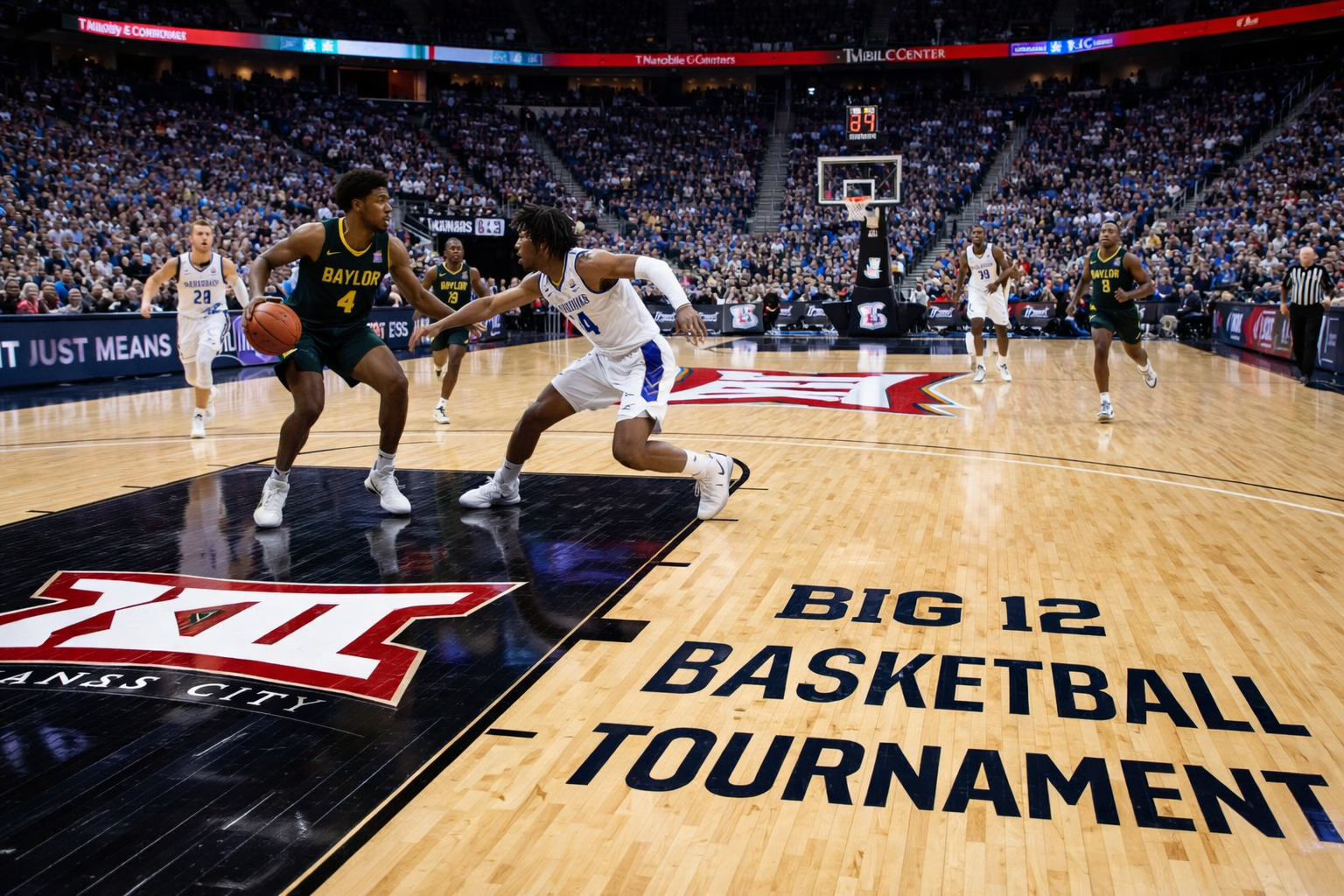
The Big 12 basketball tournament is ditching slippery LED courts for hardwood is currently attracting attention in the technology world.
Experts believe this development may influence how digital platforms evolve
over the coming years.
The Big 12 Conference is making a significant change for its basketball tournament by abandoning the experimental LED basketball courts that drew criticism from players and coaches. Starting with upcoming games, the tournament will return to traditional hardwood flooring after complaints that the LED surface was too slippery and potentially unsafe.
Why the LED Court Was Controversial
The conference introduced the high-tech LED floor to create a more immersive broadcast experience. The court could display dynamic graphics, team logos, and digital advertisements that changed in real time, making it visually striking for TV audiences and fans inside the arena.
However, the flashy technology quickly sparked backlash. Several players reported that the surface felt unusually slick compared to standard hardwood courts, raising concerns about traction, balance, and injury risk.
Athletes rely heavily on grip during quick cuts, jumps, and defensive movements, and even small differences in floor texture can affect performance. During early tournament games, some players appeared to struggle with footing, prompting discussions about whether the LED design was suitable for high-level competition.
Player Safety Comes First
After feedback from teams and coaches, tournament organizers decided that player safety and comfort should take priority over visual innovation. The conference confirmed that the LED floor would be replaced with a traditional hardwood court for the remainder of the tournament.
Hardwood floors have been the standard for decades because they provide consistent traction, shock absorption, and durability. Many players also said they simply felt more confident competing on the familiar surface.
Technology Still Has a Future in Sports
While the LED court experiment faced criticism, the technology itself may still have a future in sports. Similar floors have been tested in exhibition games and international events, where they allow arenas to instantly change graphics or highlight game moments.
But the Big 12’s experience shows that new tech must meet strict performance standards before being used in elite competition.
For now, the conference is sticking with what players trust most — the classic hardwood court that has defined basketball for generations.
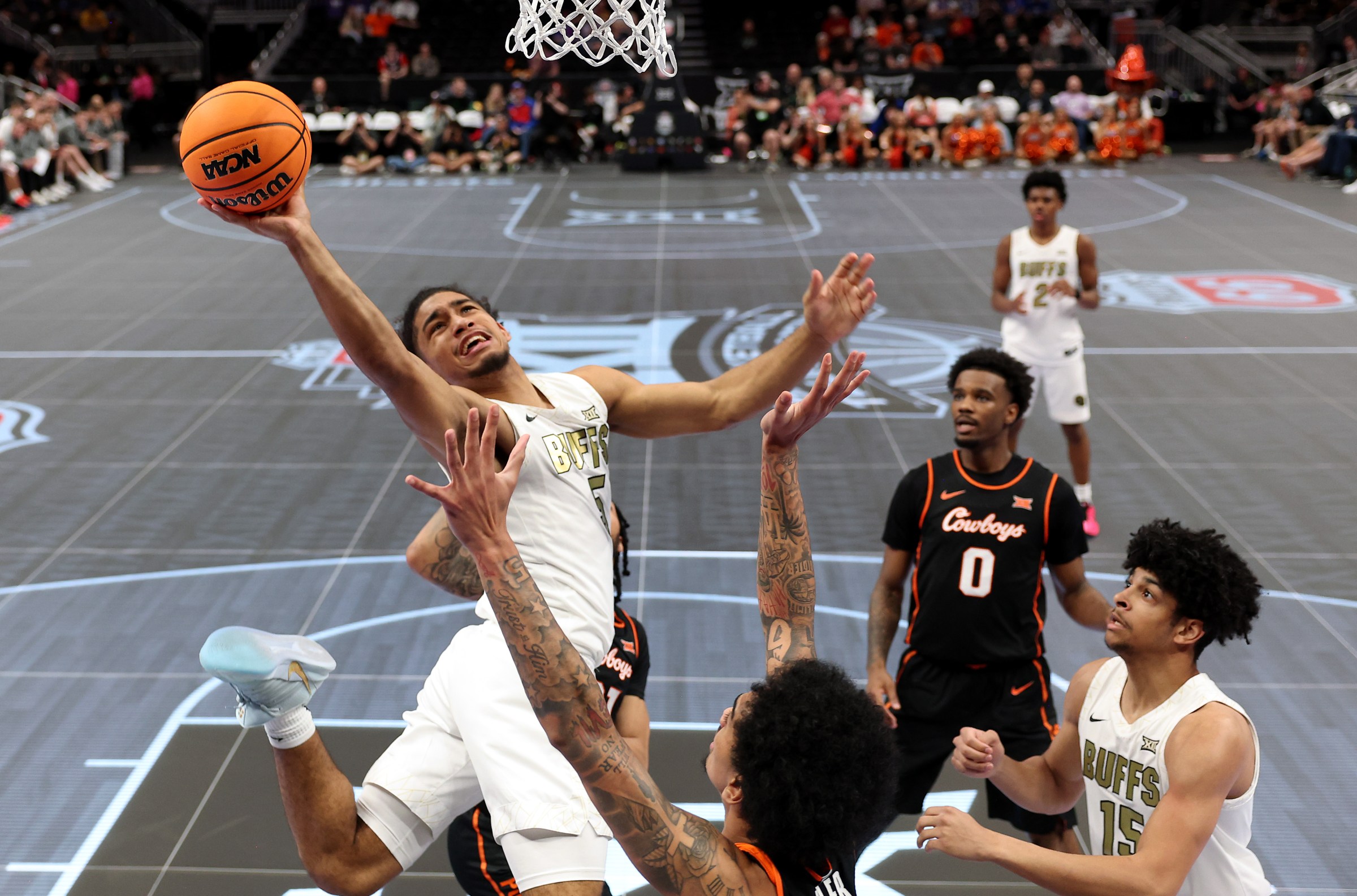
They may be great for fan engagement and selling ads, but the Big 12 has decided to replace the innovative glass-covered LED floors at Kansas City’s T-Mobile Center with a traditional hardwood finish. It will be used for the remainder of the tournament during semifinal matches and the championship game.
The LED floors, which were previously used during the 2024 NBA All-Star game at the Lucas Oil Stadium in Indianapolis, display animations and graphics that can also interact with players’ movements. They’re designed to be softer than hardwood floors while providing the same amount of grip. However, during the women’s Big 12 basketball tournament last week, and the opening rounds of the men’s tournament this week, some players reported issues with slipping and grip, as reported by ESPN.
Texas Tech University player Christian Anderson blamed the LED floor for a fall that resulted in a groin injury during the second half of a game against Iowa State University on Thursday. “Obviously the floor is a bit slippery, so I think I just kind of misstepped or did a movement that caused me to slip and kind of ended up in a little unnatural position,” he says, as reported by ESPN.
The grip issues and injuries led to the decision last night by the coaches of the semifinal teams and Big 12 conference commissioner Brett Yormark to revert the court’s floor back to hardwood for the finals.
While opinions on the glass LED floors seem to vary between teams and coaches, one of the big issues is players simply lacking experience on the new surface. Texas Tech’s coach Grant McCasland told CBS Sports, “we’re just not used to playing on it, and so the difficulty is the familiarity of how it responds, and it does respond differently. Am I saying it caused problems? It was a challenge just because we don’t play on it enough to get used to how to respond to it. And I think for quick guards and change of direction, it’s difficult.”
Projectors have been used in many stadiums and arenas for over a decade to create similar animations without the need to swap out traditional playing surfaces. But that tech innovation can only be used while players are on the sidelines. The benefit of LED floors is that they can be used throughout an entire game without glaring lights or creating shadows — assuming they’re not running distracting animations during a match, and players actually want to use them.
Why This Matters
This development highlights the rapid pace of innovation in the technology sector.
Companies are constantly pushing boundaries in order to stay competitive.
Analysts suggest that such changes could influence future product design,
user expectations, and industry standards.
Looking Ahead
As technology continues to evolve, developments like this may shape the next
generation of digital services and consumer experiences.
Industry watchers will continue to monitor how this story develops and what
impact it may have on the broader technology landscape.