The topic of Console optimization is holding PC gaming back more than you think is currently the subject of lively debate — readers and analysts are keeping a close eye on developments.
This is taking place in a dynamic environment: companies’ decisions and competitors’ reactions can quickly change the picture.
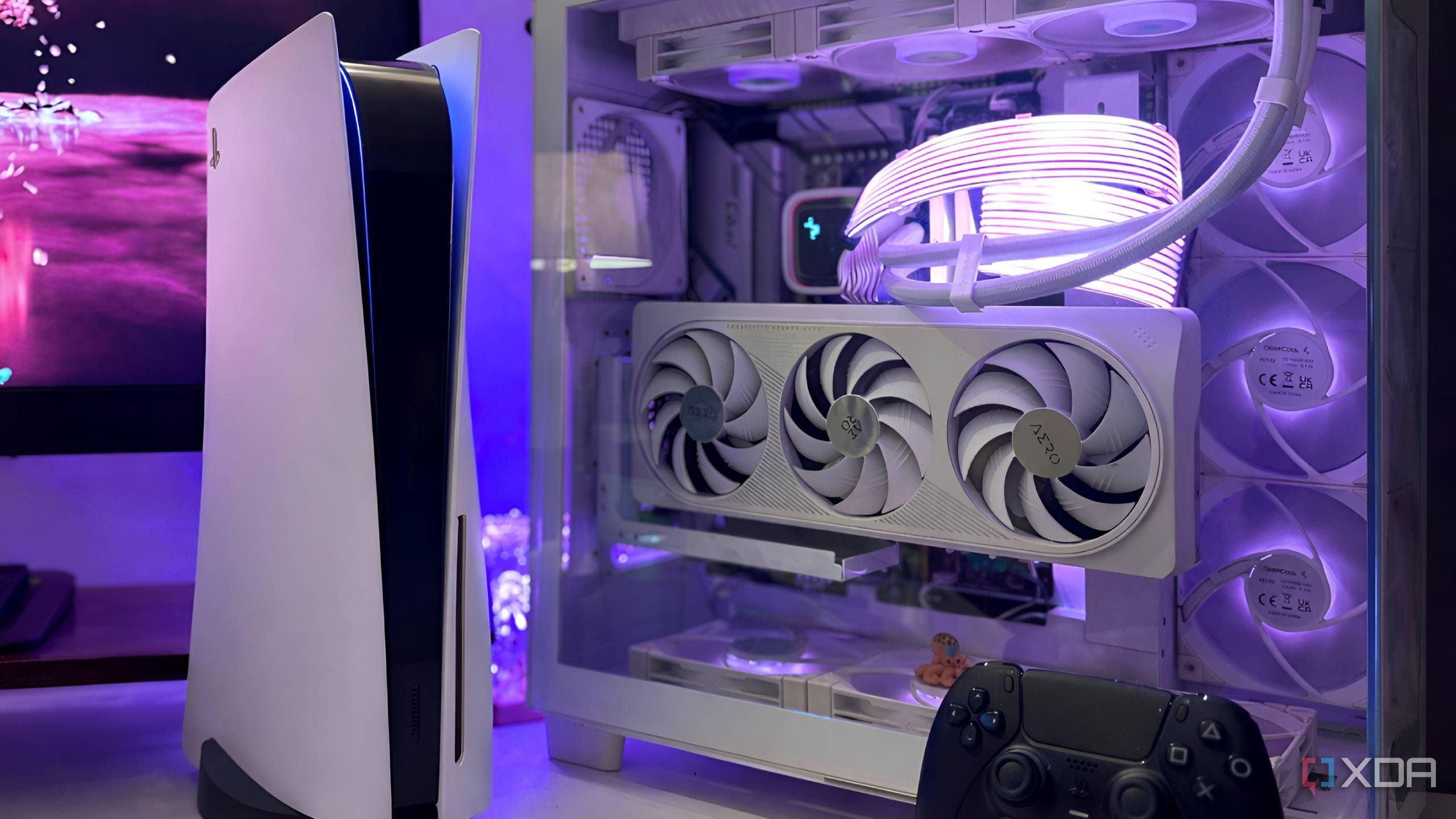
As PC gamers, we love the idea that PC gaming is way ahead of consoles like the PS5 Pro and Xbox Series X. Better visuals, higher frame rates, and more importantly, the freedom to tweak everything exactly how we want. That appeal is what made me ditch my PS3 for a high-end gaming PC back in 2012, even though it cost me a lot more. Since then, gaming has come a long way, and so has PC and console hardware. But ever since the current generation of consoles came out, I can't help but wonder if PC gaming isn't as far ahead as it should be.
I bought an RTX 3090 in 2020, the same year the PS5 came out. That card was already way more powerful than what even the PS5 Pro offers. Fast-forward to 2026, and I'm now on an RTX 4090, which is up to 70% faster than the 3090 at 4K. Sure, I'm getting much better frame rates, but games don't look all that much better for the kind of PC hardware we have today. I could get an RTX 5090 today, but when modern games don't take full advantage of it besides giving me higher frame rates, what's the point?
Most AAA titles that we play today are developed with consoles as the primary target. Whether it's the PS5 or Xbox Series X, developers are working with fixed hardware configurations that don't change for years. That allows them to optimize aggressively for a very specific hardware configuration, squeezing every bit of performance out of those consoles. While that's a good thing for the console audience, it also means the game's entire performance model is built around those constraints.
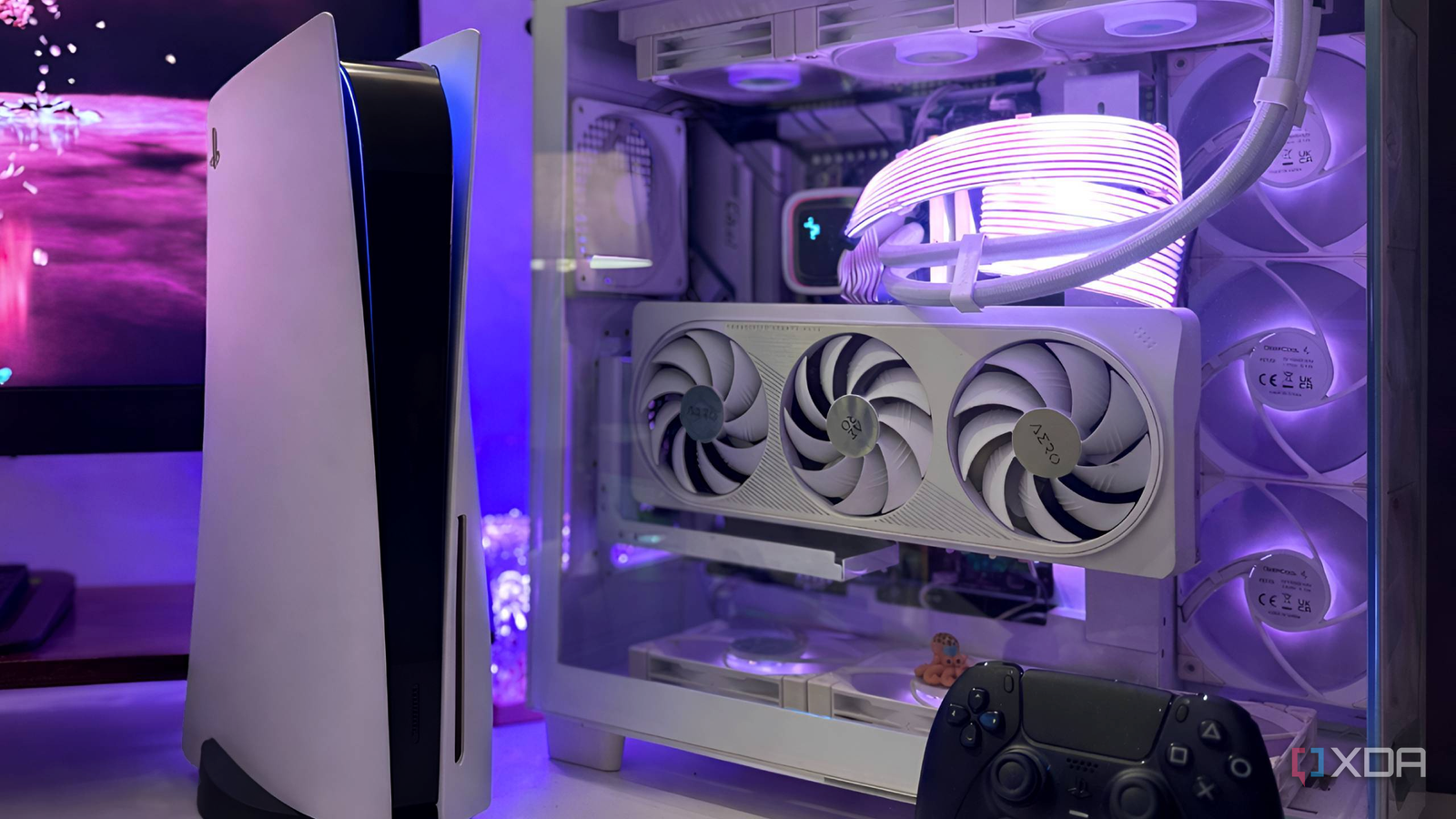
When these titles make their way to PC, they aren't being rebuilt from the ground up to take advantage of your high-end GPU. They're being scaled up from a baseline that was never designed for your PC. That's why upgrading your GPU doesn't always translate into a noticeably better experience. Sure, you can run at 4K, get higher frame rates, and even enable ray tracing, but the core workload driving the game doesn't scale in the same way. More often than not, your CPU becomes the limiting factor, which is why your GPU often feels underutilized, no matter how powerful it is.
If you look at how far GPU performance has come since current-gen consoles launched in 2020, you'd expect the visual leap in AAA PC titles to be just as dramatic. Going from an RTX 3090 to a 4090 is a massive jump performance-wise, no doubt, but when it comes to graphics, I feel like most games are lacking that "wow" factor we got when playing Cyberpunk 2077 with ray tracing maxed out. Back then, it genuinely felt like a glimpse into the future of PC gaming. But unfortunately, we're still using that game for GPU benchmarks in 2026.
At the end of the day, newer GPUs are still pushing the same visual techniques further because most games are built around consoles that came out in 2020. Developers want their games to run well on consoles, so designing them around high-end PCs just isn't practical from a financial standpoint. That's why they use consoles as the baseline and scale things up for PC. Once you start looking at it that way, you'll realize why even high-end PCs often just deliver a cleaner, sharper, and smoother version of the same console experience instead of something that feels like a true generational leap.
One thing we shouldn't ignore is just how much console optimization has made newer AAA games more accessible for budget and mid-range PCs. You don't need a high-end GPU to get decent performance, even at 1440p, and while that's partly due to hardware improvements, it also comes down to how these games are built around fixed console targets. Developers know exactly what kind of performance they need to achieve, and that level of optimization carries over to PC in a way you can actually notice. For instance, even if you play a game at low settings, the visuals don't completely fall apart like they used to a decade ago.
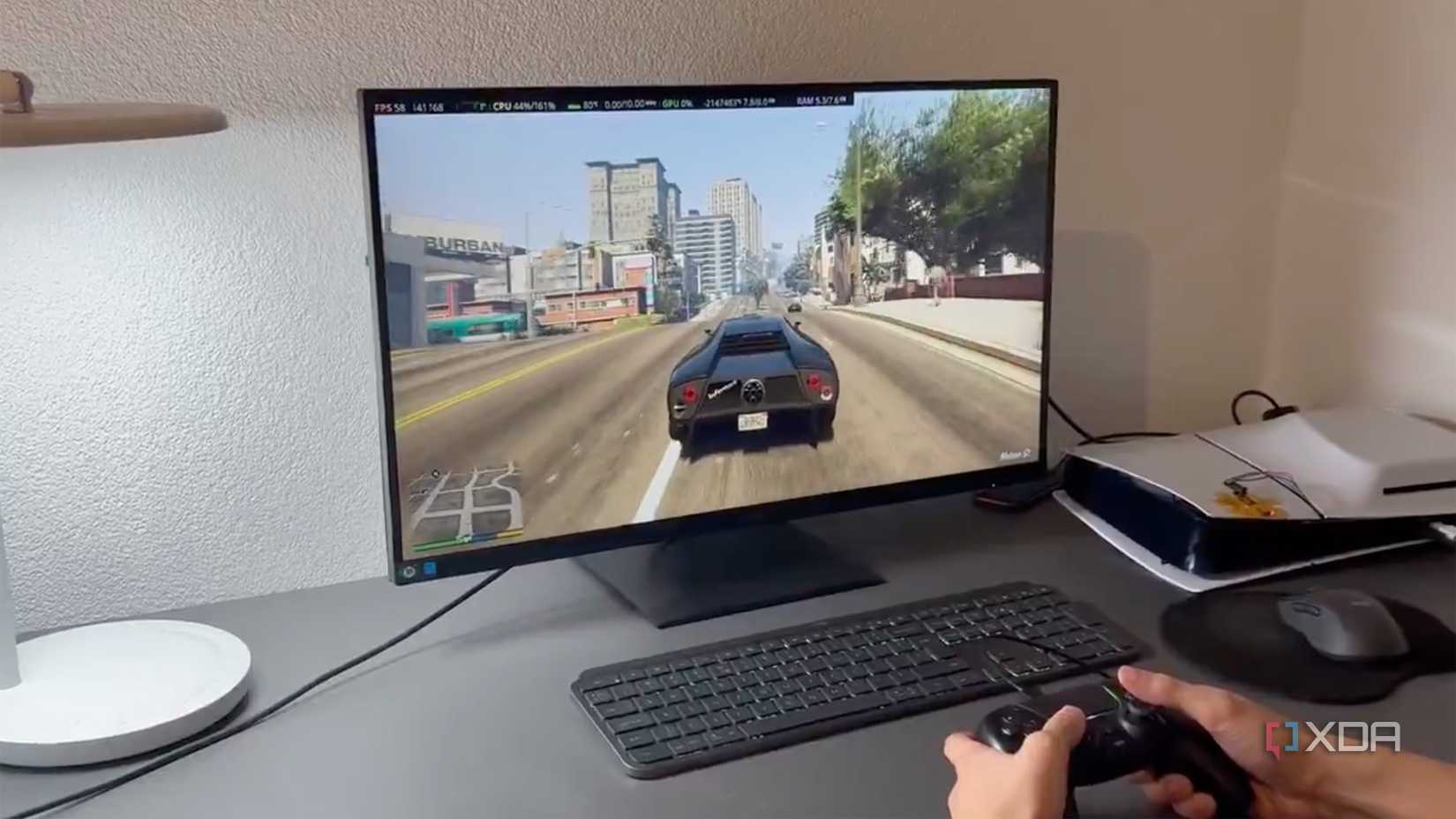
But that same approach is also what limits how far those games can go. When everything is designed around a fixed console baseline, developers have to stay within those constraints regarding visual complexity and world detail. Scaling things up for PC can give a sharper image and smoother performance, but it doesn't fundamentally change how the game looks at its core. It's almost like going from a PS5 to a PS5 Pro, where you're getting a cleaner and smoother version of the same experience, not a different one.
At this point, it's hard to overlook how closely PC gaming is tied to the pace of console generations. You can splurge on an RTX 5090 all you want, but if the latest AAA titles are still being built around the same console baseline, you're mostly just getting higher frame rates and cleaner visuals rather than a fundamentally better experience. Until developers have a new baseline to target, which usually happens when Microsoft or Sony launches a new console, PC gaming is unlikely to move forward at the same pace as hardware.
The PC gaming industry is facing yet another crisis, while Sony's console emerges unscathed as a better deal than ever.
Why it matters
News like this often changes audience expectations and competitors’ plans.
When one player makes a move, others usually react — it is worth reading the event in context.
What to look out for next
The full picture will become clear in time, but the headline already shows the dynamics of the industry.
Further statements and user reactions will add to the story.