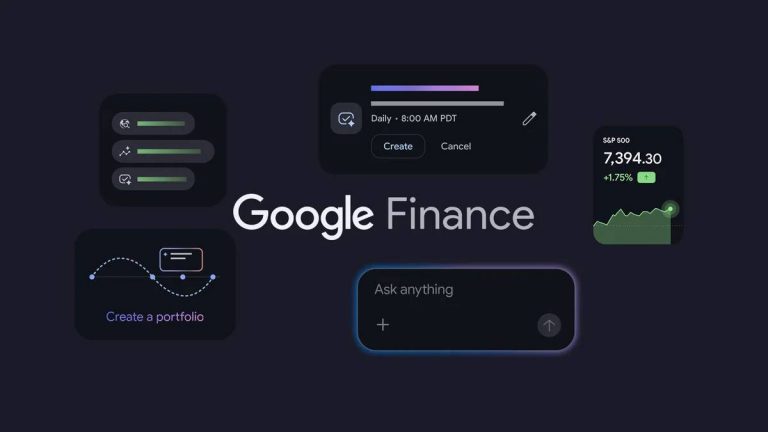
Google Finance just became the investing app you’ve been waiting for — here is a clear breakdown of what happened and why it matters right now.
The details below put the news in context: the key points first, the background after.
Investing is drastically different now than it was just a few years ago. What needed brokerage accounts previously can now be achieved with easy-to-use mobile apps.
This has prompted a large portion of the population to dabble with investing. However, even though markets are easier to access now, information and data surrounding them hasn’t.
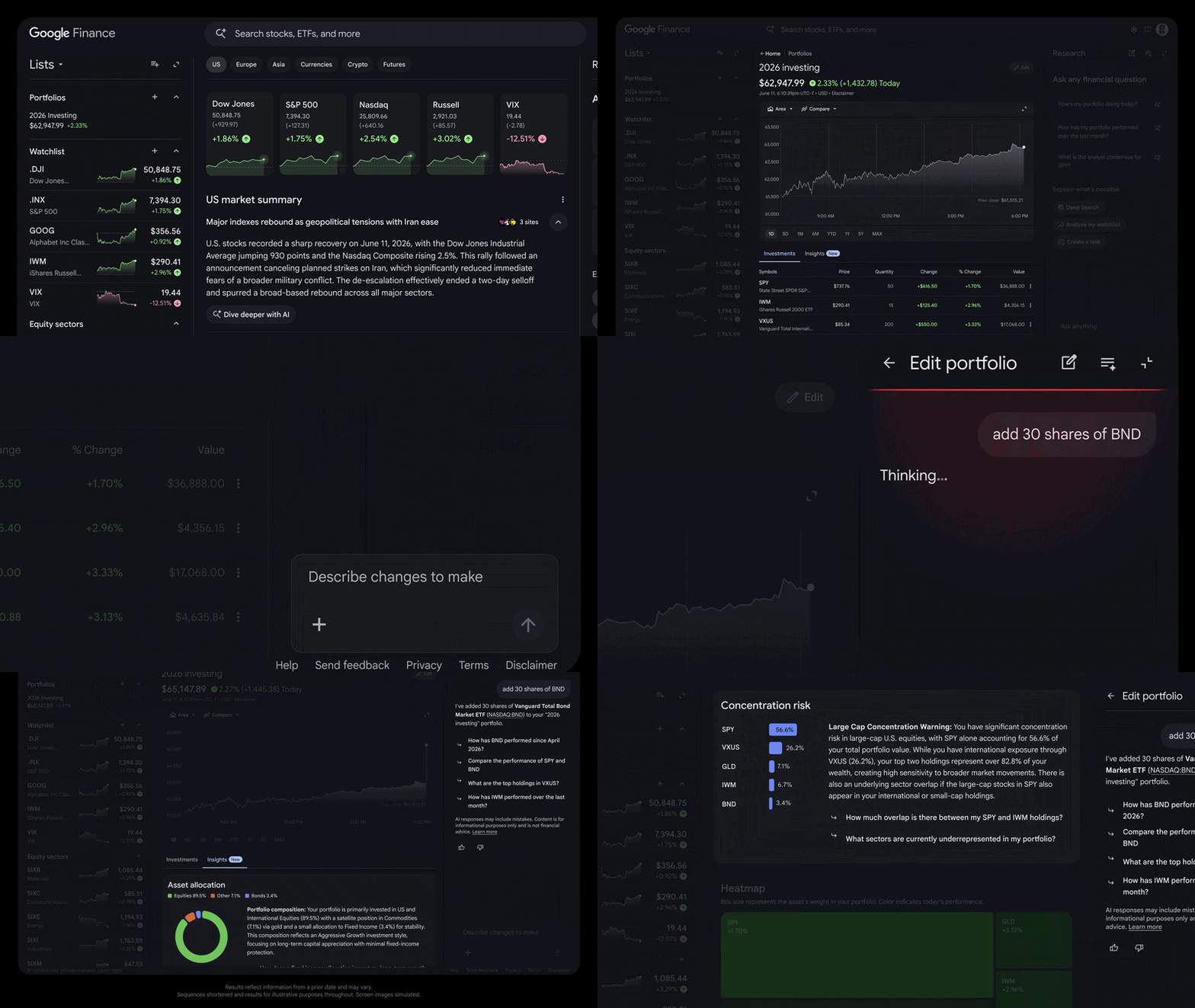
Within the last year, Google has given the platform a major AI overhaul, and to make information retrieval even easier, the platform is now getting its very own app.
The Android app is live now with the iOS one expected to go live later this year.
The tech giant announced the development in a new blog post, highlighting some key upgrades too.
For those unaware, the new Google Finance experience has been in beta, but it’s finally shedding its experimental status. With the platform out of beta, the first main perk it’s gaining is support for native portfolios.
Portfolios will start rolling out globally this week, giving you a consolidated view of all your investments in a single dashboard. The same dashboard will also highlight “performance data, as well as insights on your asset allocation and more.”
You will be able to create new portfolios by dropping in screenshots or uploading files (like CSVs or PDFs) that detail your holdings.
Once set up, you’ll be able to pose questions to Google Finance. Examples include “what sectors are currently underrepresented in my portfolio?” or “how does my fixed income allocation impact my long-term growth potential?”
Elsewhere, the tech giant is also introducing a briefing tool that’s designed to keep you updated on the topic that you care about. You’ll be able to tell the platform to provide you with real-time information on specific topics at a set schedule. for example, “Send me a daily pre-market briefing analyzing significant overnight moves across major cryptocurrencies.”
About the Author