The topic of Most people misread PC component specs, and it's costing them money is currently the subject of lively debate — readers and analysts are keeping a close eye on developments.
This is taking place in a dynamic environment: companies’ decisions and competitors’ reactions can quickly change the picture.
When you're talking about PC hardware, specs are usually an objective measure of some aspect of the product, and that's why people trust them. They're usually numbers that are easy to compare at a glance, like clock speed, cores, VRAM, wattage, and so on. On paper, that makes shopping for parts feel straightforward. If one number is larger than another, it must be better, right?
In practice, that is precisely the moment where a lot of buyers go wrong. A spec sheet can tell you something useful about a component, but it rarely tells you enough on its own to explain how that part will actually behave in a real build. When people read those numbers too literally, they often end up spending more money on the wrong upgrade, or overlooking the component that would have made a bigger difference. PC component specs are not useless, but a lot of people misread them, and that misunderstanding can be surprisingly expensive.
One of the biggest reasons this happens is that buyers often treat larger numbers as proof of better real-world performance. CPU clock speed is one of the clearest examples. A processor with a higher advertised boost clock can look like the obvious winner, but that number alone says very little without architecture, cache, power behavior, and workload context. A chip that boosts higher on paper is not automatically the faster gaming CPU, and it certainly is not always the better value.
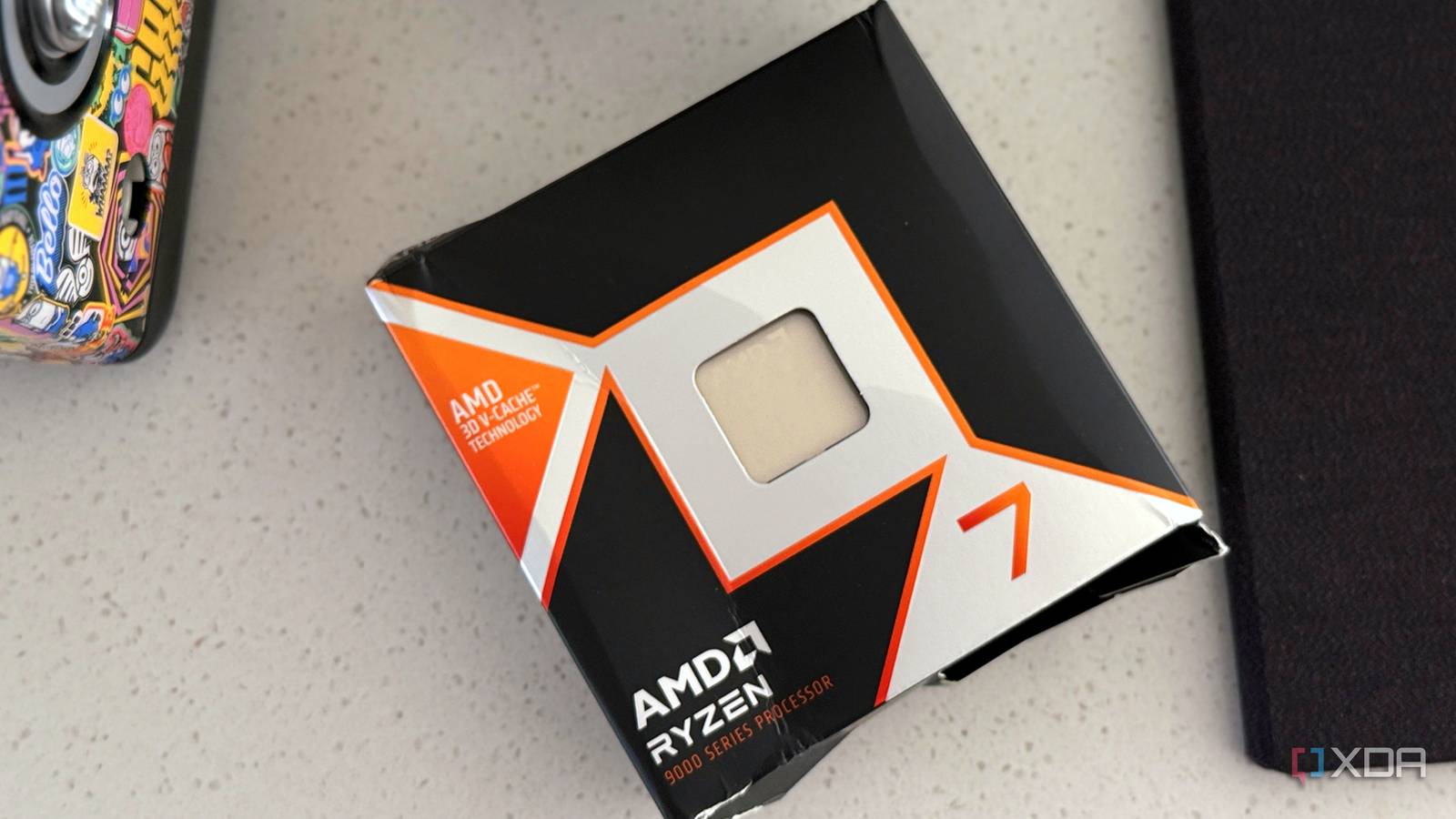
for example, comparing the boost clock of something like the Ryzen 7 7800X3D at 5.0 GHz with the Intel Core Ultra 9 285K at 5.7 GHz might make it seem like the Intel processor is a better performer overall, but it really depends on the workload. The 7800X3D will dominate in gaming, while the 285K is a much better productivity chip. Core counts get misunderstood in a similar way. More cores sound inherently better, but that only matters if the software you use can actually take advantage of them. Someone building a gaming PC can end up paying extra for a processor designed to shine in heavily threaded productivity workloads, only to get little benefit from that decision in the games they actually play.
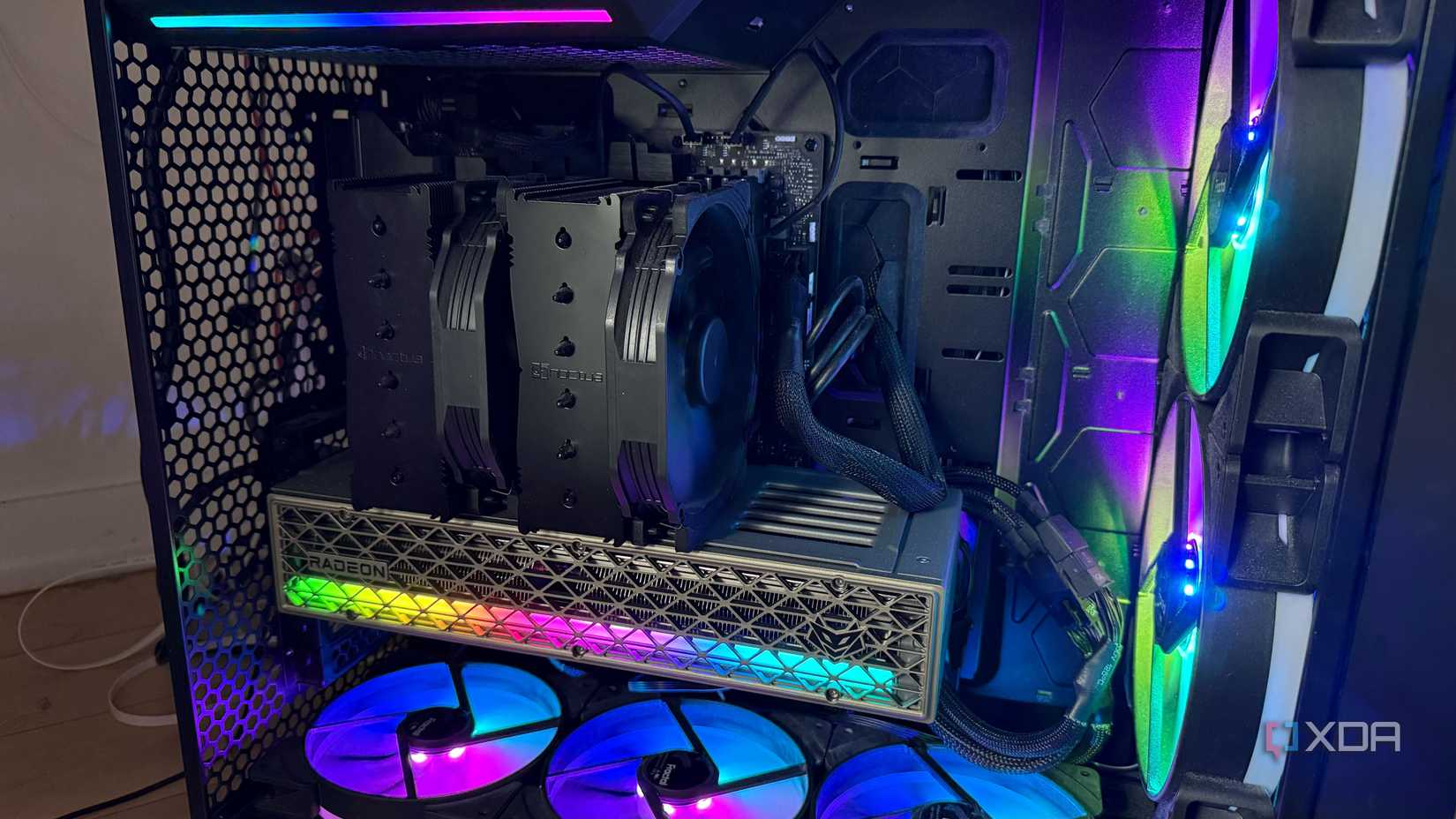
The same pattern shows up across the rest of the PC market. GPU buyers often fixate on VRAM because it is one of the easiest specs to understand, but memory capacity alone does not tell you how powerful a card is. A weaker GPU with more VRAM is not automatically better than a faster one with less, especially once you factor in memory bandwidth, core performance, and the types of settings or resolutions being targeted.
Storage is another category where specs can distort expectations. It is easy to assume that the SSD with the highest sequential read speed will make a PC feel dramatically faster, but many everyday desktop tasks will not feel much different once you are already using a decent NVMe drive. People end up paying a premium for headline speeds they may barely notice, while ignoring other practical priorities like capacity, thermals, or reliability. The problem is not that these numbers are fake, but it's that they're often displayed in a marketing-first manner to consumers, and that's where the confusion is.
Some mistakes are minor, but these PC building purchase decisions are anything but
Another reason specs get misread so often is that manufacturers naturally highlight the numbers that are easiest to market, not always the ones that are most useful to buyers. Motherboards are a prime example of this. A board might advertise things like "AI overclocking", DDR5-8000 compatibility, or integrated LED displays when really, some of the most useful features are things like a 7 segment display for debugging, or dual-BIOS capability.
None of this means people should ignore specifications altogether; specs still matter because they establish compatibility, product class, and a baseline feature set. You obviously need to know whether a motherboard supports your CPU socket, whether a power supply has the right connectors, or whether a case can physically fit your GPU.
Beyond just that, though, the numbers I've mentioned before do matter in specific scenarios. Making sure your motherboard is compatible with DDR5-8000 memory if that's what you plan to put in your rig is important, but it's not worth spending extra on a motherboard that supports it if you don't actually intend to put that compatibility to use.
PC component specs are not lying to people, but they are very easy to misread. A bigger number can be meaningful, but it can also be a complete mirage, especially when it is presented without enough explanation to show how it affects real-world performance or usability.
This is why reviews are especially important, and in the case of a primary component like a CPU or GPU, it should be the main point of reference for you. Getting to see what the part looks like in a real-world scenario is the best way to know if it's going to be the right one for you, and when you combine it with the spec sheet, that's when you get the full picture.
Why it matters
News like this often changes audience expectations and competitors’ plans.
When one player makes a move, others usually react — it is worth reading the event in context.
What to look out for next
The full picture will become clear in time, but the headline already shows the dynamics of the industry.
Further statements and user reactions will add to the story.