Inside On’s innovation engine and apparel ambitions, as its founders return to lead… — here is a clear breakdown of what happened and why it matters right now.
The details below put the news in context: the key points first, the background after.
With its apparel business growing 57.5% year over year and its LightSpray technologies moving into scaled production, On gave media rare access to the Zurich labs behind its push to become a broader premium sportswear brand.
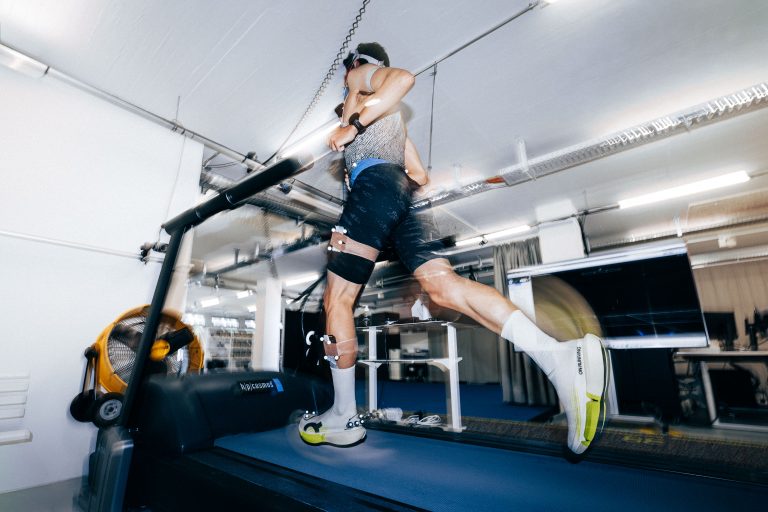
During a tour of On’s Zurich performance lab in June, Swiss triathlete and Olympian Max Studer ran on a treadmill wearing a breathing mask and reflective markers fixed to his legs, waist and shoes. Cameras tracked his movement as data appeared on nearby monitors. Elsewhere in the building, engineers cut apart prototype soles, robotic arms moved LightSpray shoes through production, and a workshop wall displayed years of experimental footwear.
The visit came weeks after founders Caspar Coppetti and David Allemann returned to day-to-day operational leadership as co-CEOs on May 1. The pair had remained involved as executive co-chairmen, while Martin Hoffmann served as CEO.
The tour served as a statement of intent: On’s next phase will depend not only on selling more running shoes, but also on turning the development system behind them into a repeatable engine for apparel, lifestyle products and new sports.
In the first quarter, On generated approximately $1 billion in sales, up 26.4% at constant currencies, as reported by Glossy in May. Apparel remained a smaller portion of the business, at $66.5 million, but grew 57.5% at constant currencies and exceeded 10% of direct-to-consumer sales for the first time. During the earnings call, the company described the strategy as growing “toe to head,” although executives in Zurich said apparel is increasingly becoming a first entry point into the brand, particularly for younger consumers.
“This is the first time in the company’s apparel history that we’re talking about innovation in apparel and accessories,” said Danielle Petesic, On’s chief product officer, during a presentation inside a restricted apparel workspace.
Petesic said that, with its apparel, On is trying to connect performance, fashion and commercial relevance rather than build the category as a merchandising extension of footwear. “We have found a way to collaborate using a lot of athlete insights and make them commercially valuable,” she said.
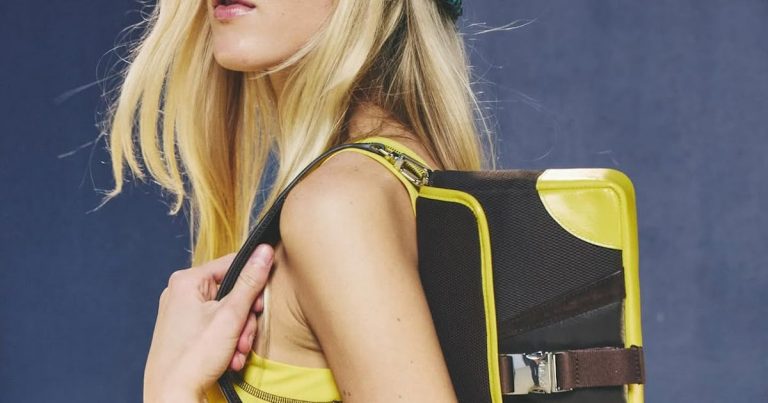
The 5-year-old apparel division is currently developing racing kits, sports bras, socks, trail equipment and a 50-gram running jacket, while experimenting with thermoregulation, zoned ventilation and textile-to-textile recycling.
Aesthetics are a key focus. Ann Sterner, senior director of brand studio at On, said that, during product development, the company evaluates athletes’ psychological needs alongside physiological and environmental demands. Athletes want to perform, she said, but they also want to stand out.
“If you look good, you feel good,” Sterner said. “They call it peacocking, but it’s a huge psychological driver.”
On believes the same dynamic applies to its wider customer base. “We don’t look at performance and lifestyle as opposites,” Coppetti told Glossy. “What performance means for a runner translates into comfort for everyday wear.” In apparel, he said, lightness and stretch should translate into clothing “you can barely feel when you wear it.”
Coppetti called On’s overall target consumer the “movement class”: people who view themselves as athletes, exercise regularly, track their sleep, and spend on nutrition, gyms and active travel. “They invest so they can have better experiences and more of them,” he said. On’s first-quarter results showed its largest increase in 18- to 24-year-olds as a share of its DTC customer base since it began tracking the metric.
The brand’s Cloudtilt sneaker offers an early example of that translation. First introduced through On’s Loewe collaboration in October 2023, the $170 walking shoe was developed using computer modeling rather than adapted from an existing running silhouette. Coppetti said it became Foot Locker Europe’s No. 1 style by sales in March.
Now, On is trying to prove it can make another crossover, from running shoes to apparel.
The risks are familiar for footwear-first brands. In 2018, Allbirds expanded beyond shoe styles like its Wool Runner into activewear and basics, though later reported that the range lacked sufficient demand. It discontinued the line and recorded an inventory write-down in 2022. Earlier this year, the former public company sold the Allbirds footwear business for $39 million and pivoted its focus to AI infrastructure under a new name.
As for On, more than 90% of its quarterly sales still came from shoes, and its most recognizable design codes remain embedded in the sole rather than on a jacket or pair of leggings.
Coppetti said the company has rejected opportunities to enter categories where it could not offer a meaningful technical difference. “We’re never going to be a me-too product,” he said. “Wherever we go, we want to come in and have a true performance benefit.”
To make its apparel culturally relevant, On is leaning on co-creation. Its partnership with Zendaya has moved from campaign work into a head-to-toe collection and “Style Lab,” in which Zendaya and stylist Law Roach review and select On looks in social content. Meanwhile, Post Archive Faction, the avant-garde South Korean label founded by Dongjoon Lim and Sookyo Jeong, has given On’s performance apparel a more experimental fashion identity. And its Loewe partnership, which began in 2022, has provided a bridge into luxury through jointly developed footwear and apparel.
Already, the reach has been significant. Released on April 9, On’s Zendaya-led “Shape of Dreams” marketing film has generated 39 million YouTube views, compared with roughly 2,700-9,000 for its recent marketing videos centered on the Cloudmonster product.
On is betting that the process behind its products can boost demand, regardless of a celebrity endorsement. Its Zurich operation brings sports science, material development, prototyping and testing into close proximity, with footwear and apparel teams drawing on the same athlete feedback and performance data.
“The function of the space is very simple: to shorten the distance between idea and athlete,” said Toby Wu, a footwear engineer in On’s Dream On Lab.
On’s footwear workshop can produce foam shoe shapes, carbon plates and complete shoe prototypes in-house, allowing athletes to test ideas within days. In its Lab Zero, five robotic walking machines can age a shoe to 250 traveled kilometers in three-and-a-half days. The company combines those results with feedback from more than 1,700 wear testers globally as it refines a product. In apparel, the same development model is applied to how garments perform under different temperatures, whether seams or fabrics create distraction, and how fit and construction affect movement.
LightSpray is the clearest example of that system moving from innovation to commercial scale. LightSpray is On’s proprietary technologies centered on producing a shoe’s upper via a robotic spray. On increased the capacity for the LightSpray by 30-fold when it opened a factory in Busan, South Korea in February. according to the data the company, it is now selling several hundred pairs of its LightSpray sneakers a day through its DTC channels. The $310 LightSpray Cloudboom Strike 2 will launch on July 30.
For apparel, the ambition is similar: develop ideas with elite athletes, refine them through testing and turn them into products with broader relevance.
“The bar to get into a new area is: Can we, with our technologies, disrupt the space?” Coppetti said.
On has already shown it can turn an unusual sole into a multibillion-dollar footwear business. The harder test is whether that same system can inspire consumers to buy its jackets, tights and socks.
About the Author