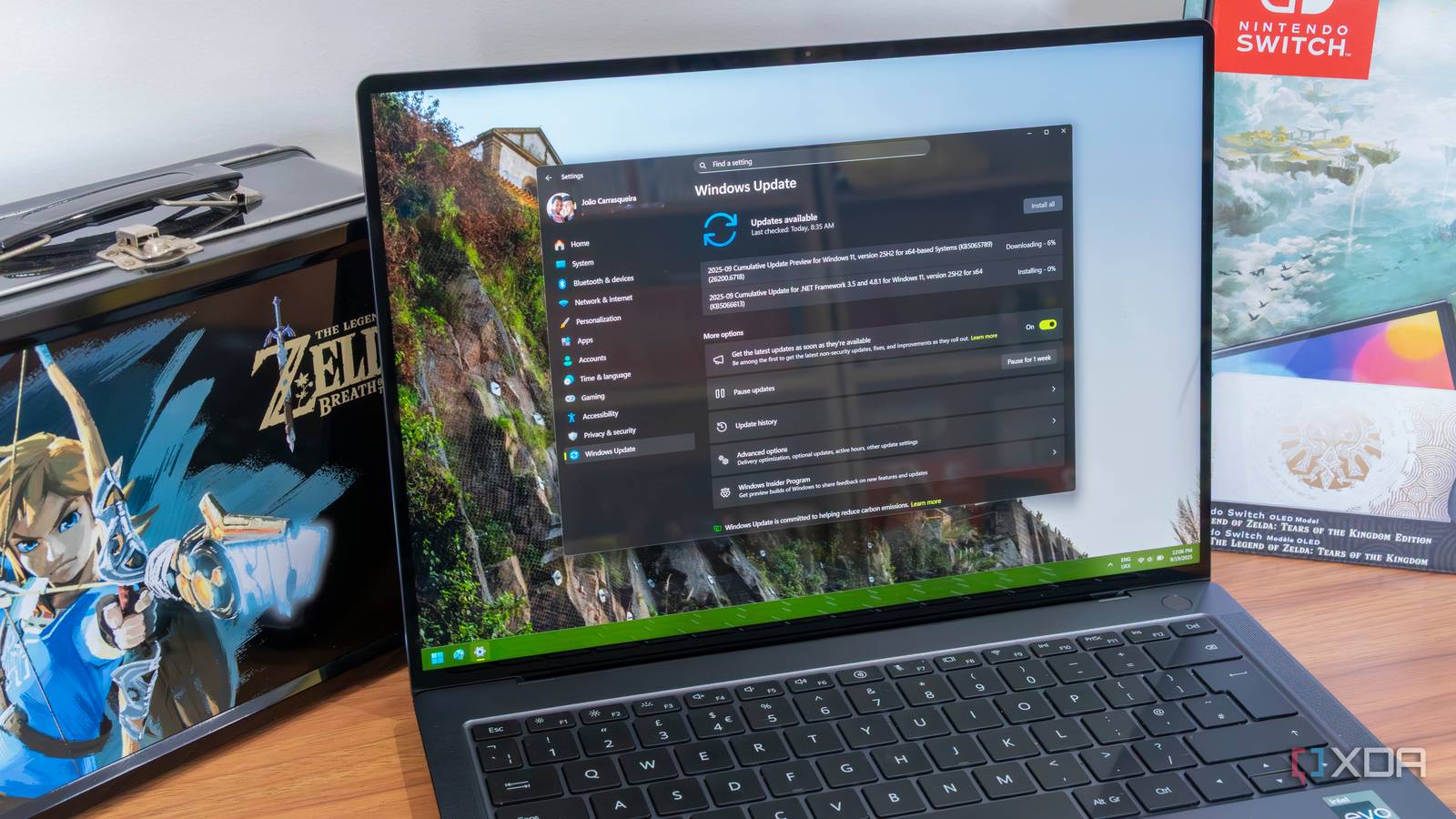
The topic of Microsoft is forcing Windows 11 PCs to 25H2 whether you’re ready or not is currently the subject of lively debate — readers and analysts are keeping a close eye on developments.
This is taking place in a dynamic environment: companies’ decisions and competitors’ reactions can quickly change the picture.
Microsoft will soon force-install the Windows 11 25H2 update on all eligible consumer-edition systems. 25H2 debuted last October and serves as an incremental update with very few noticeable, extraordinary features. Forced update installations are not new with Windows 11 updates. Microsoft routinely phases out older Windows 11 versions, replacing them with a new one once the old one loses support. However, even though version 25H2 has been out for six months, there are concerns.
A forced update rollout means you’ll have to stick with the new version, even if it’s still figuring out and resolving inherent problems. The approach is the reason why many Windows 11 users, including me, choose to block version updates until they mature and stabilize.
Windows updates try to resolve existing issues but often introduce new ones (unintentionally, of course). The continuous pattern of such troublesome updates has become a topic of joke among users. My Windows journey started with Windows XP, and Windows 11 should have fewer update problems in this day and age. But the situation is quite the opposite.
When the 25H2 update began rolling out, it brought the same slew of problems as each update. It includes performance issues, broken or partially functional native apps, and incompatibility with certain third-party software. A recently addressed issue caused a failed Microsoft account sign-in for Teams and other Microsoft services. Imagine having sign-in trouble, especially when you use Teams and other apps like 365 for work and personal tasks.
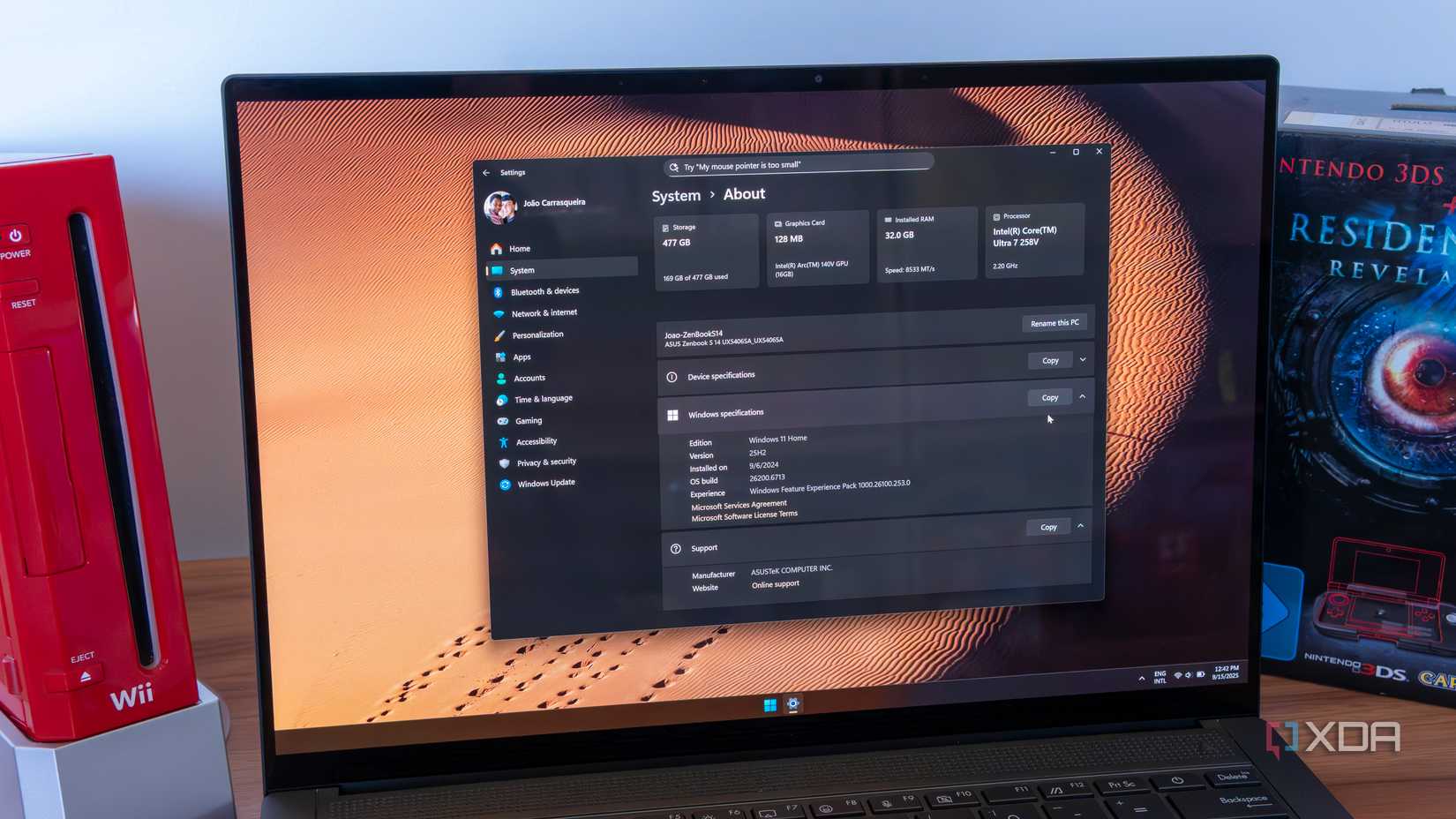
These are just the problems that received prompt mitigation from the developers due to a larger footprint. But not all issues receive the same treatment and can go on for months before Microsoft acknowledges them. My search app blanks out occasionally and can’t find the apps or files I need, and this problem occurred after updating to 25H2. Despite such problems, Microsoft wants to mass-roll out the 25H2 update.
Microsoft will start the 25H2 rollout to all the eligible consumer edition systems. It includes all Windows 11 Home and Pro PCs running version 24H2 or 23H2. Both these versions will automatically download the update and wait for user confirmation to restart the device to apply or postpone it for a few weeks.
Windows 10 isn’t in active development anymore, but Microsoft offered a one-year saving grace by granting free access to the Extended Security Updates program. It only ships security updates and doesn’t add any new features because Microsoft wants to focus on Windows 11. If you use Windows 10 and your PC supports Windows 11 requirements, you can manually check for the 25H2 update via the Settings app.
Enterprise users (company members who use a PC managed by IT admins) won’t be a part of this forced rollout. Microsoft spares enterprise users because admins prioritize stability, since one botched update can render multiple systems unusable. They have greater control over all the active Windows systems and thus don’t have to adhere to such forced rollouts. They still have to update the systems when the current one reaches the end of support, but don’t need to act on Microsoft’s whim.
Whenever something like this happens, you rush to an update rollback, or a system restore point to go back to a “usable” version of Windows 11. Some updates can fail spectacularly, and even rollbacks can’t help, forcing you to reinstall the OS. Windows 11 24H2 is much more stable because of its age, which is why more users avoid the new version updates like the plague. Some even go to extreme measures to pause automatic updates or stop the device from receiving updates altogether.
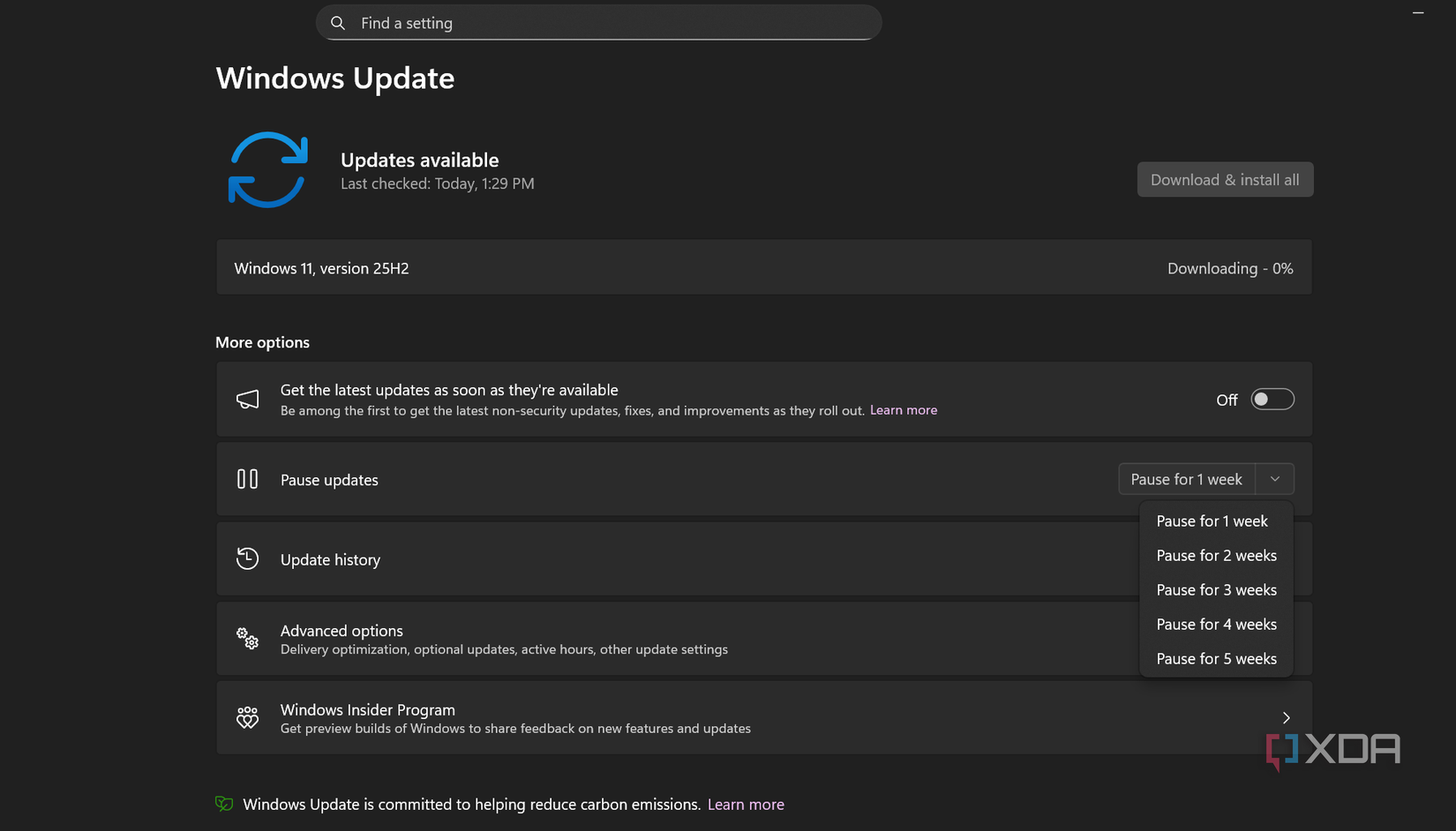
By now, you have a good idea of the plight of a Windows 11 user. Every new update brings a sense of fear, and pausing them seems like a wise idea. Microsoft is even stingy with the duration. You can choose to pause the updates and give a five-week delay at most. There are more permanent ways to stop your PC from installing updates, and they involve editing system policies or the registry. Both of these are slightly advanced tools, which makes it difficult for non-techy users to permanently stop the update.
One shimmer of hope is that Microsoft plans to extend the update pause, giving you more time to wait. It’s actually good news because I prefer to wait cautiously, keeping tabs on Reddit threads and my RSS feed to monitor new issues. It’s become a habit because the January 2026 update impacted the gaming performance on my primary system. It has an Nvidia RTX 3060 GPU, and I noticed frame drops that didn’t occur before.
Windows 11 24H2 has time until October 2026 before it becomes unsupported. Microsoft will use machine learning to identify and download the update, but it doesn’t explain its strategy. While the company assures some confirmation over update postponement and when you want to restart the device, it would be better if it occurred in August or September. Not everyone can afford to ditch a mainstream OS like Windows 11 and move to Linux. Microsoft should use the next few months to fix all the bugs in 25H2 before hastily sending it for mass rollout.
Why it matters
News like this often changes audience expectations and competitors’ plans.
When one player makes a move, others usually react — it is worth reading the event in context.
What to look out for next
The full picture will become clear in time, but the headline already shows the dynamics of the industry.
Further statements and user reactions will add to the story.