The topic of Apple blocks App Store updates for Mac app replacing Launchpad, a feature it no… is currently the subject of lively debate — readers and analysts are keeping a close eye on developments.
This is taking place in a dynamic environment: companies’ decisions and competitors’ reactions can quickly change the picture.
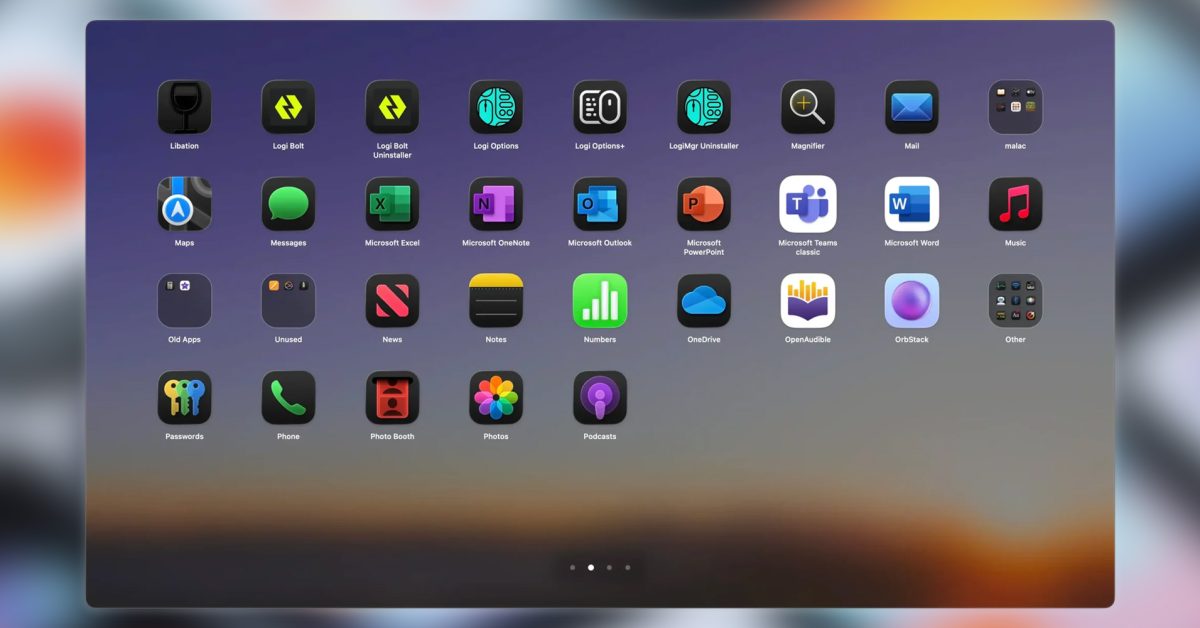
As spotted by Michael Tsai, Apple is blocking App Store updates to AppGrid for resembling Launchpad, a feature the company discontinued in macOS Tahoe. Here are the details.
If you’ve always used Launchpad (or, if you’re anything like me, frequently activated it by accident), you probably noticed that the feature is no longer available on macOS Tahoe.
Because of that, many users have turned to either seeking workarounds or developing their own Launchpad replacements.
One such app is AppGrid, by developer Attila Miklosi. As described on the app’s website, “AppGrid restores the classic grid to browse, organize, and launch your apps — fully compatible with macOS 26 Tahoe. Free core features and optional Pro tools.”
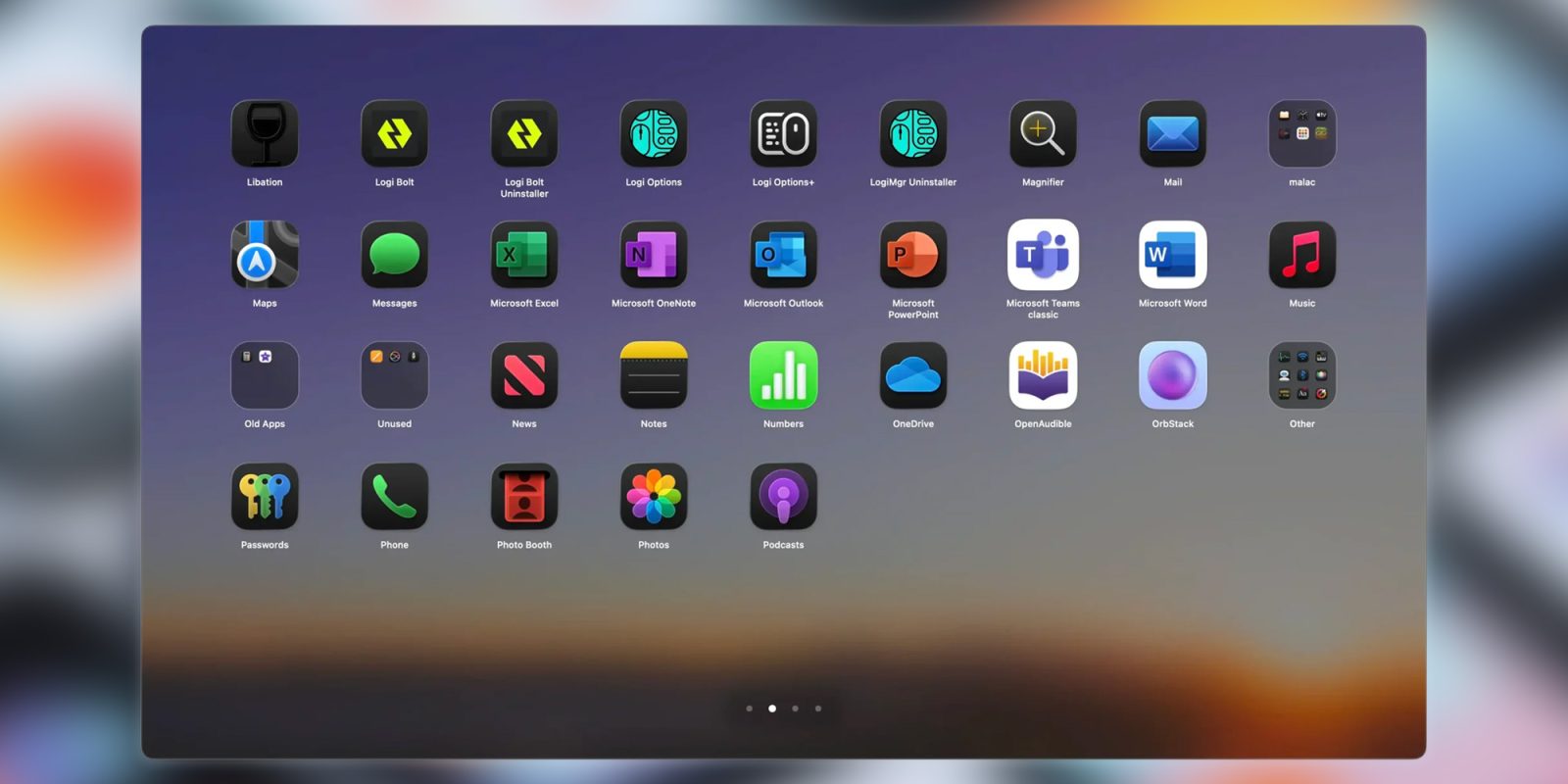
And while the app quickly became popular among users who missed the native Launchpad feature after installing macOS Tahoe, these users might have noticed that it hasn’t been updated in the last 4 months.
As it turns out, that’s because Apple has been blocking updates, claiming the app is too similar to its now-defunct Launchpad.
About three months in, Apple blocked all further updates. The reason: too similar to Launchpad — the feature they had just removed from the OS. I appealed several times, got nowhere, and eventually gave up.
The weirdest part is that they didn’t pull the app, but forced it into a zombie state. It’s still on the App Store right now, still selling, and Apple is still collecting 30% on every sale. They just won’t let me ship updates. I can’t fix bugs, can’t respond to competitors, can’t add the features users are asking for. It’s frozen in place, generating revenue for both of us, without any way to improve the product further.

As Tsai notes, the App Store Review guidelines state that developers can’t “create an app that appears confusingly similar to an existing Apple product, interface (e.g. Finder), app (such as the App Store, iTunes Store, or Messages) or advertising theme,” ‘existing’ being the key here.
Apple told me they would accept updates if I made the app look different enough from Launchpad. But by then thousands have paid for it already, and they paid exactly for it being as similar to Launchpad as possible, so I decided not to go down that route[…].
As a workaround, Miklosi now distributes an alternate version of AppGrid outside of the App Store.
This version includes features that aren’t allowed on App Store-distributed apps, such as hot corner and pinch gesture activation, and you can find out more about it here.
Why it matters
News like this often changes audience expectations and competitors’ plans.
When one player makes a move, others usually react — it is worth reading the event in context.
What to look out for next
The full picture will become clear in time, but the headline already shows the dynamics of the industry.
Further statements and user reactions will add to the story.