
The topic of Immutable Linux sounded bulletproof until I tried to use it is currently the subject of lively debate — readers and analysts are keeping a close eye on developments.
This is taking place in a dynamic environment: companies’ decisions and competitors’ reactions can quickly change the picture.
Linux is having its mainstream moment, pushed by mindshare from SteamOS, and the improvements to gaming on Linux that it brought. But the good thing about Linux is that you're not locked to any one version. Any of the components can be taken, reused, and recombined in new ways, leading to new options.
Now, the idea of immutable operating systems isn't new. Game consoles are probably the easiest example, where the user can't modify the core of the operating system, and everything is kept in userspace. Although perhaps not the best option, as they're more locked down than computing devices, the Steam Deck and SteamOS break that mold by making the core read-only while still allowing you to install new software and tweak settings.
While that's probably the best-known immutable distro, many others have sprung up, both for desktop and on parallel development paths to SteamOS. I wanted to check out a few other options, and while I love SteamOS, I feel there are reasons why immutable distros work in that ecosystem but not in others.
I'm no stranger to Linux, having daily-ed one distro or another since the early 2000s. I've broken my Linux installs so many times that recovering from most issues is either second nature or at least a quick Google search away from being fixed. I got stumped by Bazzite, or at least by trying to get it working on a ROG Ally X.
Now, I've installed a lot of different operating systems on this particular handheld, and know it pretty well by now. Installing Bazzite to begin with was no different to any other installation, perhaps even a little faster than some. Then the issues started, and nothing I tried could recover the system into a workable state.
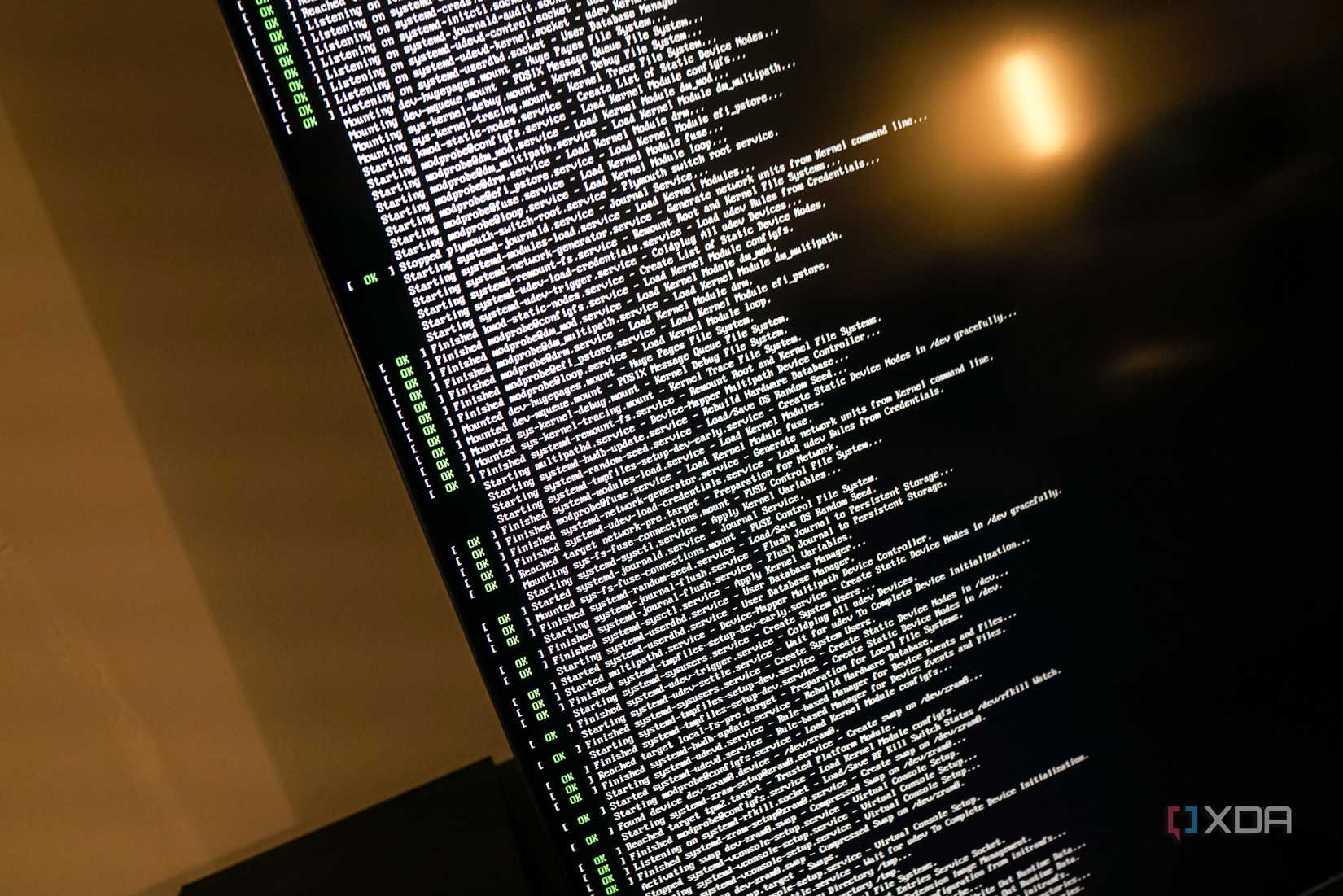
The very first reboot after installation and setting up my user account was stuck at the loading screen. Any subsequent reboot did the same, as if it was trying to update the core OS and failing somewhere. And without being able to get into a terminal view or any visible boot indicators, I couldn't fix things.
That's a new one for me on Linux; normally, I'd dive into Grub and tweak the boot files or use another live USB and change things on the installed operating system, but with an immutable distro, I can't change the read-only file system in the same way. I'd normally consider this a skill issue, but reinstalling did the same thing.
But installing any other operating system worked fine, so it's back on Windows 11 (for now). It could have been any of a number of issues, but it wasn't anything to do with the hardware.
While Bazzite is the distro that broke on me, all immutable distros could have the same issue. The same read-only OS core that gives them the security and user-friendliness once installed, is an issue for troubleshooting in other ways. It's not designed to be tweaked, so you're at the mercy of the maintainers, and that's a problem for me.
Linux gaming used to be a joke, but it's gotten very good in recent years, and I find I'm doing most of my gaming that way now. There are a few notable exceptions. Really, the few multiplayer games I can't live without that also use anti-cheat methods that only work on Windows, and the few games that actually have good HDR implementations (although HDR on Windows can be terrible).
I've got SteamOS running on a Steam Deck, a Lenovo Legion Go, and one of my two ROG Ally handhelds, and it's been faultless. Every time I use Windows on the same devices, I wish it was running Linux, and I swap back to the SteamOS versions asap.
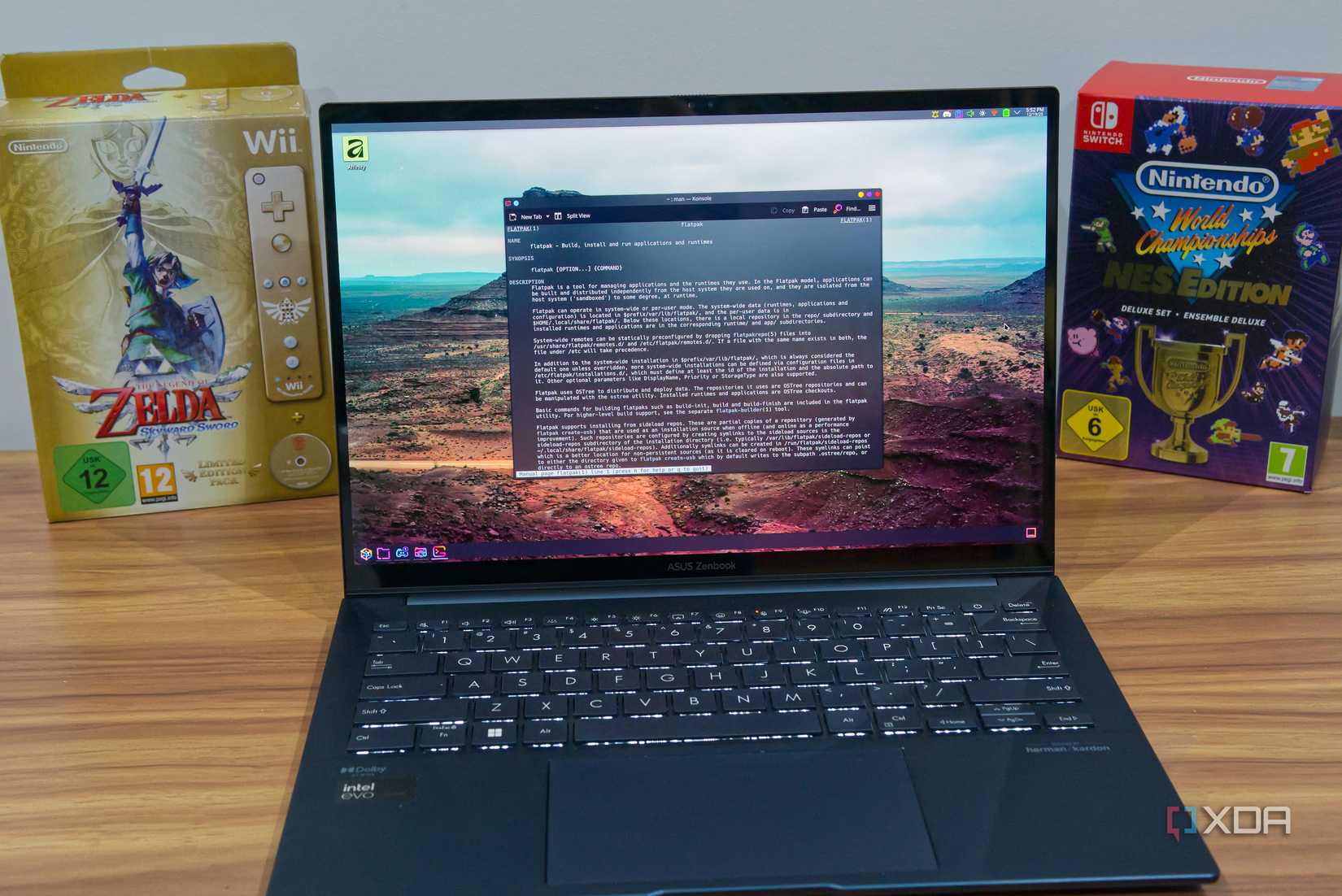
One of my favorite things about Linux is that I can change anything that my whims demand. Want a different desktop environment? No problem! Want to add weird animations to your existing desktop? Oh, we've got a command for that, or a deep dive into configuration files to achieve it.
Or not. Once you've found a distro you like, you can install it and not touch a thing. That's the beauty for me, along with being able to draw on decades of development in community forums to tweak or add to my installation. I can't do that on Windows, let alone immutable distros, and I miss it whenever I'm not using Linux.
The Steam Deck is different to me. While Valve has made SteamOS immutable, the company is maintaining the operating system and the hardware it's designed to run on, which puts it into a different category. Most Linux distributions are designed to run on almost any hardware, but individual support is down to the user or the community. Valve has been very good about updates and not breaking things, because it wants your Steam Deck to work, so you buy more games.
But for me, the Steam Deck is what I pick up when I want to game away from the PC that I use all day for work. It's a way to run my PC games disconnected from the way I work, in the same way that my Nintendo consoles and other handhelds enable me to switch off from the daily grind.
Linux is all about personal choice, and mine is that I like to have the option of changing any part of my system. Apart from on my beloved Steam Deck, I just don't like the lack of control the immutable model grants me. If it works for you, great! I am not here to say which flavor of Linux anyone should use, just that they should try it.
Why it matters
News like this often changes audience expectations and competitors’ plans.
When one player makes a move, others usually react — it is worth reading the event in context.
What to look out for next
The full picture will become clear in time, but the headline already shows the dynamics of the industry.
Further statements and user reactions will add to the story.