I ditched 4 subscription services with the Raspberry Pi gathering dust in my drawer — here is a clear breakdown of what happened and why it matters right now.
The details below put the news in context: the key points first, the background after.
Subscription creep is a real problem. It is one thing for $20 a month, and then another for $5, and before you know it, you’re forking over hundreds monthly for services you might not even use. If you have a Raspberry Pi sitting around waiting for a project, you can turn it into a small self-hosting hub that can replace several subscription services as long as you take the right precautions.
These are four subscription services I’ve started running on an extra Raspberry Pi I discovered in a drawer.
Everyone needs backups, and if you don’t want to continue paying for a cloud-based backup like Dropbox or Google, you can turn a Raspberry Pi into one. You’ll need to add a hard drive with a USB enclosure, but compared to the $100 or more you’ll pay yearly for a comparable amount of storage from a cloud provider, it isn’t too bad of a deal.
The simplest option I’ve used for this purpose is Seafile; it is purpose built as a file sync and sharing service with end-to-end encryption. If you just need a simple file backup, it is hard to beat. However, after experimenting with it for a while, I ultimately opted to use Nextcloud instead.
Nextcloud functions like your own personal Google Drive or OneDrive suite. It provides a self-hosted file sync with desktop, mobile, and web interfaces. It also has a word processor, a presentation app like PowerPoint, and a huge range of other features.
You definitely need a Raspberry Pi 4 or 5 for this though—Nextcloud is famously a bit heavy.
You also assume responsibility for making sure that your backups are safely stored, which is a big deal if you’re talking about important legal documents.
Western Digital’s Red Pro NAS hard drives come in sizes from 2TB to 26TB.
If you want automatic phone photo backups with a Google Photos-style experience, use Immich. It provides a timeline view, search capabilities, and mobile auto-upload, just like the Photos app.
Its smart features require a Pi 4 or 5 with decent RAM to function properly (8GB or so), and large libraries will require proper external storage. I’d also strongly recommend that you avoid storing important photos on a microSD card—you’re just inviting tragic data loss. .
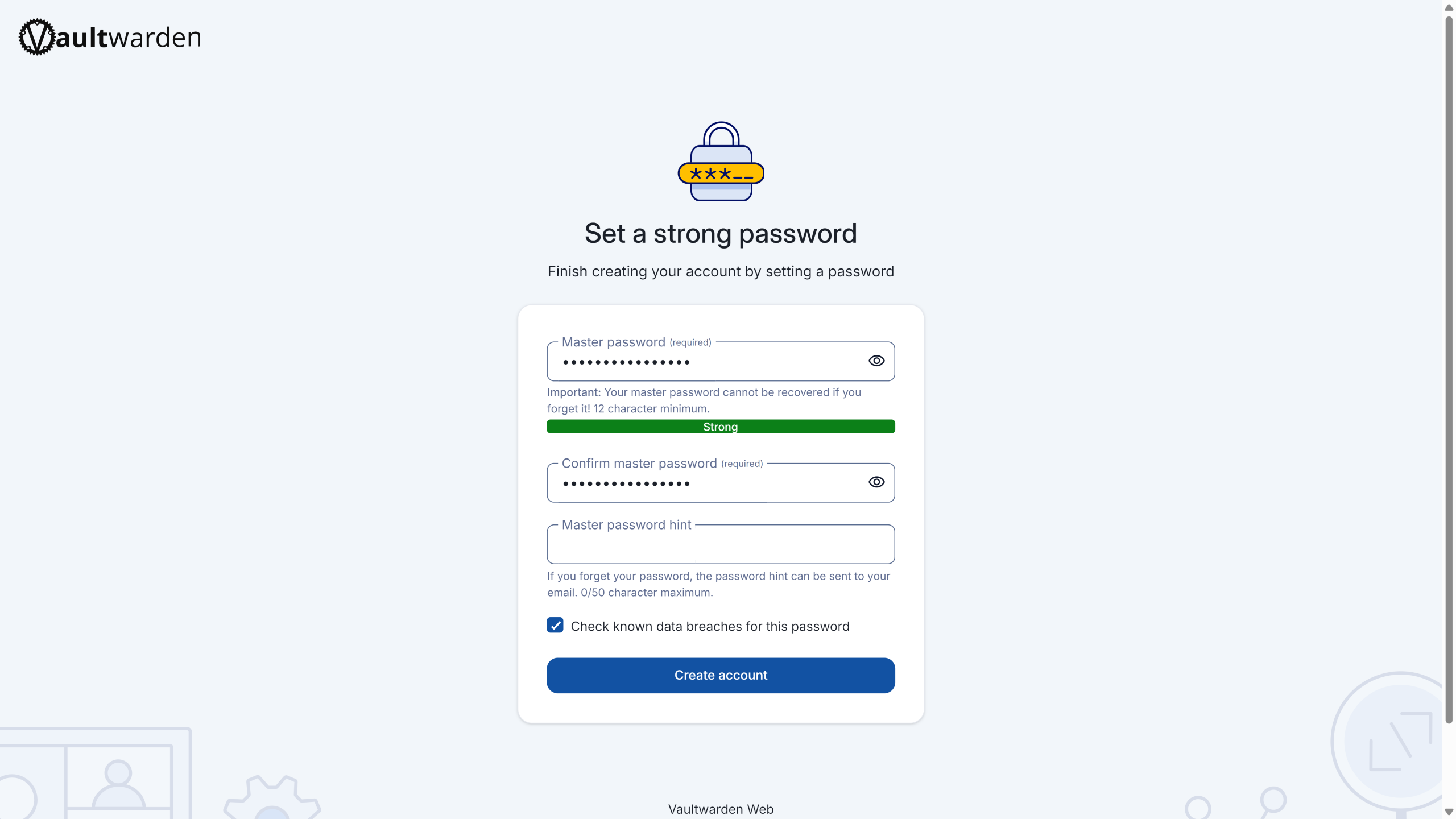
Vaultwarden is a lightweight open source server that is fully compatible with standard Bitwarden apps and browser extensions. It can replace most of the functions of the Bitwarden subscription, which now costs around $40 annually.
It is a great option if you’re privacy focused and on a budget, because it is light enough to run on even a Raspberry Pi Zero 2 W, which only costs around $20.
Like with all self-hosting, the big snag is the risk. Your Pi stores your password vault, and while it is protected from theft by robust encryption, hardware failures can still cause it to be irrevocably lost. Make sure that you’re making regular backups so that you don’t lose access.
Alternative DNS services are popular because many provide basic malware and content filters, and some sophisticated services—like NextDNS—provide extremely granular control.
However, if you don’t want to pay for a subscription, and you want manual control, you can use a Pi-hole.
Pi-hole acts as a DNS sinkhole that blocks ads and trackers across your entire network. Instead of paying for premium DNS filtering or a VPN’s ad-blocking add-on, you can use this to cover every device in your home—including phones, smart TVs, and IoT devices—simultaneously.
An hour of setup will get you one of the best self-hosted apps available.
Keep in mind that because it works at the DNS level, it won’t catch every single in-app or first-party ad. You will also occasionally find yourself needing to manually allow a blocked domain.
You don’t need a particular Pi for this; even an old or low-power Pi will work.
If you’re going to run multiple services concurrently on a single Pi, there are a few things you need to do.
First, stick with Docker if you have multiple ways to install a service. It makes installing and running multiple services much easier.
Second, you should boot off a USB SSD rather than a microSD card. MicroSD cards are prone to failure, and an SSD provides both better speed and a longer lifespan.
Finally, remember that self-hosting makes you the safety net. Back up your configurations, databases, and important info regularly.
Your Pi will now be responsible for multiple important jobs, and you’ll want to be able to access it from anywhere, not just when you’re at home.
Rather than exposing your services directly to the internet, I’d recommend using something like a self-hosted WireGuard server (which can run on a Pi) or Tailscale to give you access instead. They’re well-vetted, reliable, and easy to get going.
About the Author