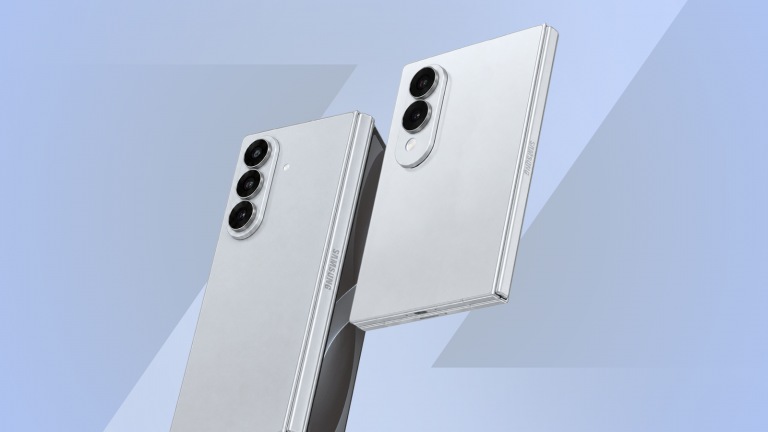
I’m more excited about the Galaxy Z Fold 8 Wide than the Fold 8 Ultra… — here is a clear breakdown of what happened and why it matters right now.
The details below put the news in context: the key points first, the background after.
For the last few years, foldable phones have been in a race to become thinner, lighter, and more expensive.
While these changes have helped improve the experience, they haven’t exactly made foldables more appealing to mainstream buyers. That’s largely because these changes didn’t address the major usability issue with foldables.
With the imminent iPhone Fold threat, Samsung finally appears ready to tackle that problem with the Samsung Galaxy Z Fold 8 Wide. And that’s exactly why I am more excited about it than the Z Fold 8 Ultra.
So far, Samsung has treated the Galaxy Z Fold’s inner display as a taller, larger version of a smartphone screen.
That made sense, as the company wanted to keep the device as narrow and comfortable to use when folded. But it also meant that the unfolded experience never quite felt like a small tablet.
Ideally, opening a book-style foldable should feel like opening a book or magazine. But that’s exactly what the Galaxy Z Fold lineup never offered.
Google took a similar approach with its first foldable, the Google Pixel Fold.
Its shorter, passport-like dimensions led to it featuring a wider inner display, closely resembling a book-like shape. This allowed the device to provide a better unfolded experience when browsing the web, reading books, or running two apps side by side.
If the Galaxy Z Fold 8 Wide switches to a similar form factor, Samsung could finally deliver a folding phone that prioritizes usability and accessibility.
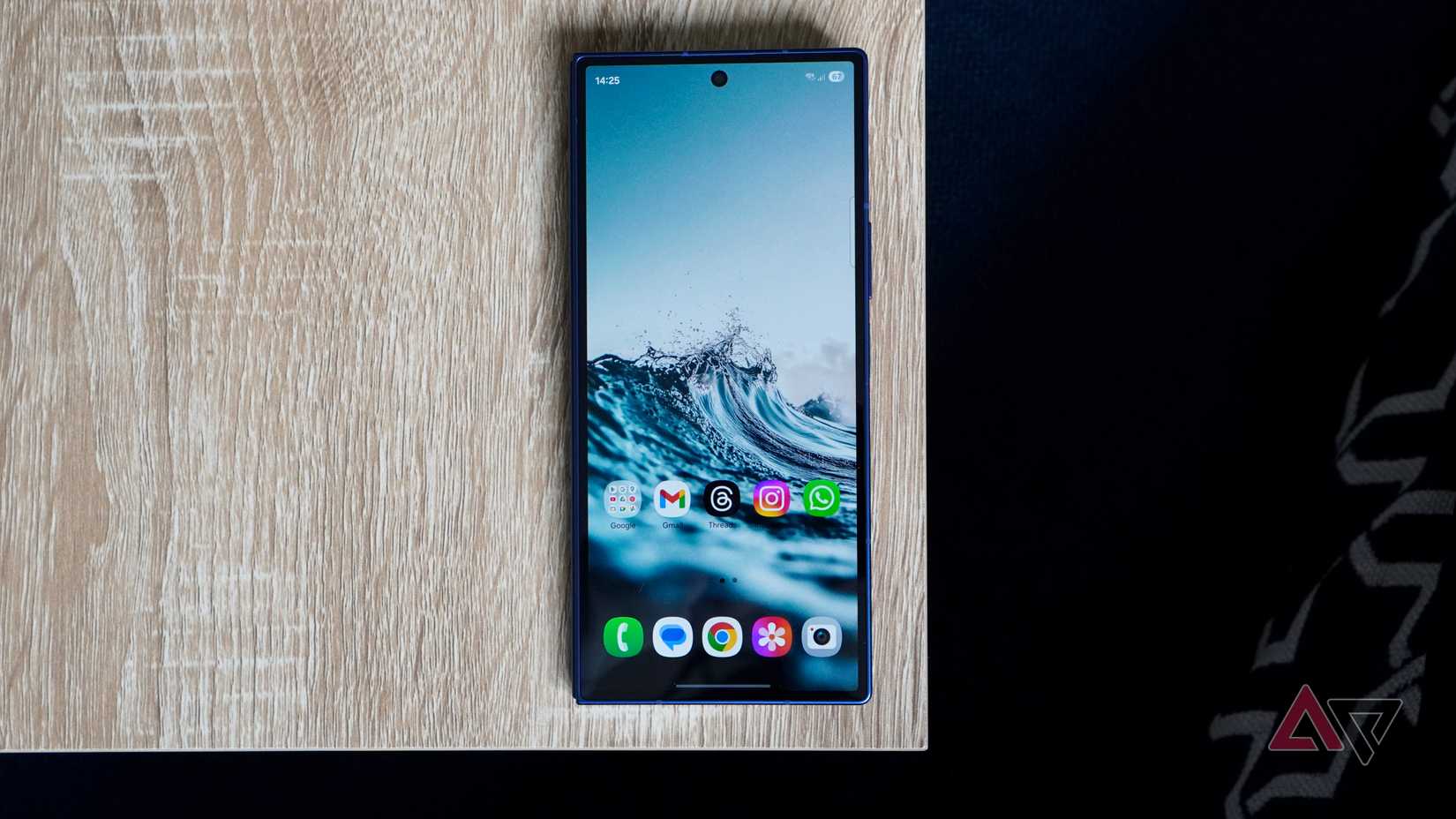
Two apps side by side will have more usable width, spreadsheet columns won’t feel cramped, and tablet-optimized apps should easily fit on the screen.
As someone who used the Galaxy Z Fold 7 for a few months, the Z Fold 8 Wide’s wider inner display could become the biggest usability upgrade Samsung has made to the Fold lineup in years.
I’d happily take a slightly wider foldable if the inner display feels like a small tablet.
I am excited about the Galaxy Z Fold 8’s wider inner display. However, it’s the cover screen that could end up being the upgrade I appreciate the most in everyday use.
After using a few foldables extensively, I have realized that a good cover screen is as important as a reliable inner display.
You only unfold the phone when you need the extra screen real estate, something that you won’t do often throughout the day.
Everything else, from replying to messages and checking emails to browsing the web, will happen on the cover screen.
Unfortunately, this is the area where the design of Samsung’s Galaxy Folds has always felt lacking. While the company made improvements with the Z Fold 6 and 7, the cover display still feels too narrow for comfortable everyday use.
Samsung appears set to address this problem with the Galaxy Z Fold 8 Wide. Leaks suggest the foldable’s 5.5-inch cover display will feature an aspect ratio of roughly 1.58:1.
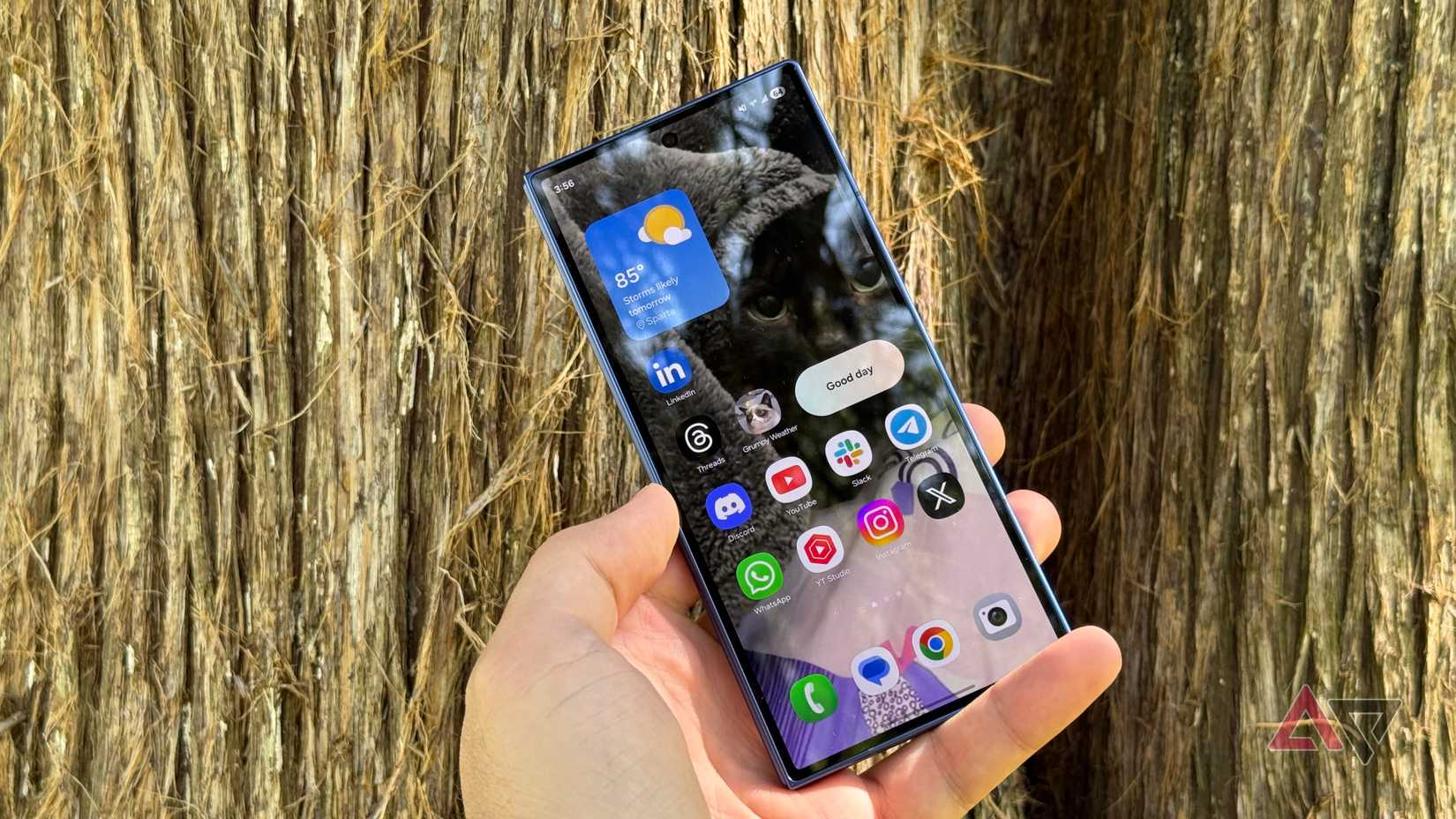
That would make it significantly wider than any previous Galaxy Z Fold and much closer to the original Pixel Fold’s passport-like dimensions.
Yes, the screen will be considerably smaller at 5.5 inches, but its wider shape should make it feel far more natural and comfortable to use in everyday life.
There are two reasons why foldables have not gone mainstream. High pricing and the form factor. The Galaxy Z Fold 8 Wide is unlikely to address the former. But it could end up solving the latter.
A foldable phone should not force you to open it every time you want a comfortable experience.
Its cover display should work like a regular smartphone screen for everyday tasks. And when you do unfold it, the larger display should feel like a compact tablet rather than an oversized phone.
That’s not something the Galaxy Z Fold lineup currently offers. It offers a big inner folding screen, but it is not exactly suited for multitasking or reading.
The Z Fold 8 Wide, with its wider inner and cover displays, should deliver both these experiences.
The Galaxy Z Fold 8 Ultra will win on raw specifications with bigger displays, a larger battery, and better cameras. But the Fold 8 Wide could emerge as the winner in everyday use with its more practical design.
For years, Samsung treated every new Galaxy Z Fold iteration as an engineering challenge. Every generation has become lighter, thinner, more durable, and packed with better hardware.
Those improvements were welcome, but they did not solve one of the biggest problems with foldables: Does the device actually feel better to use than a regular phone?
It’s taking Samsung a push from Apple, but it finally seems to have understood that chasing another spec-sheet win is not enough to make a great foldable.
And that’s why, despite the Galaxy Z Fold 8 Ultra likely grabbing all the headlines, it’s the Fold 8 Wide that has my attention.
About the Author