The topic Your router has a hidden status page that explains why your Wi-Fi is down is currently the subject of lively discussion — readers and analysts are keeping a close eye on developments.
This is taking place in a dynamic environment: companies’ decisions and competitors’ reactions can quickly change the picture.
When Wi-Fi goes down, the first instinct is usually to reboot the router and hope for the best. That’s the first advice anyone will give you, and in all fairness, it does often work. But it doesn’t always work, and it also wipes away some of the evidence you may have needed to help explain the problem.
Your router already has a status page that can tell you whether the problem is the router itself, the ISP, the modem, or maybe just the end device. You just have to know where to look, and what the slightly cryptic numbers actually mean.
Your router’s status page is the key to finding out what’s really going on with your connection, so before you try anything else, check it out. It’s usually tucked away behind its admin page.
In most cases, the admin page can be reached by typing your router’s local address into a browser while you’re connected to your home network. That address is often something like 192.168.0.1 or 192.168.1.1, but if you’re not sure, check your device’s network settings and look for the default gateway or router address.
Once you have the address, open it like any other website. You’ll usually be asked for an admin username and password, and this is what often trips people up: your router login is not the same thing as your Wi-Fi login and password. If you never change it (most people never do), the login details might be found on a sticker on the router, in your ISP paperwork, or in the router app, all depending on how your network was set up in the first place.
From there, look for a page called something like Status, Internet, WAN, Router Status, Network Map, or system. The exact name depends on your router, because of course router manufacturers need to find their own ways to name this stuff.
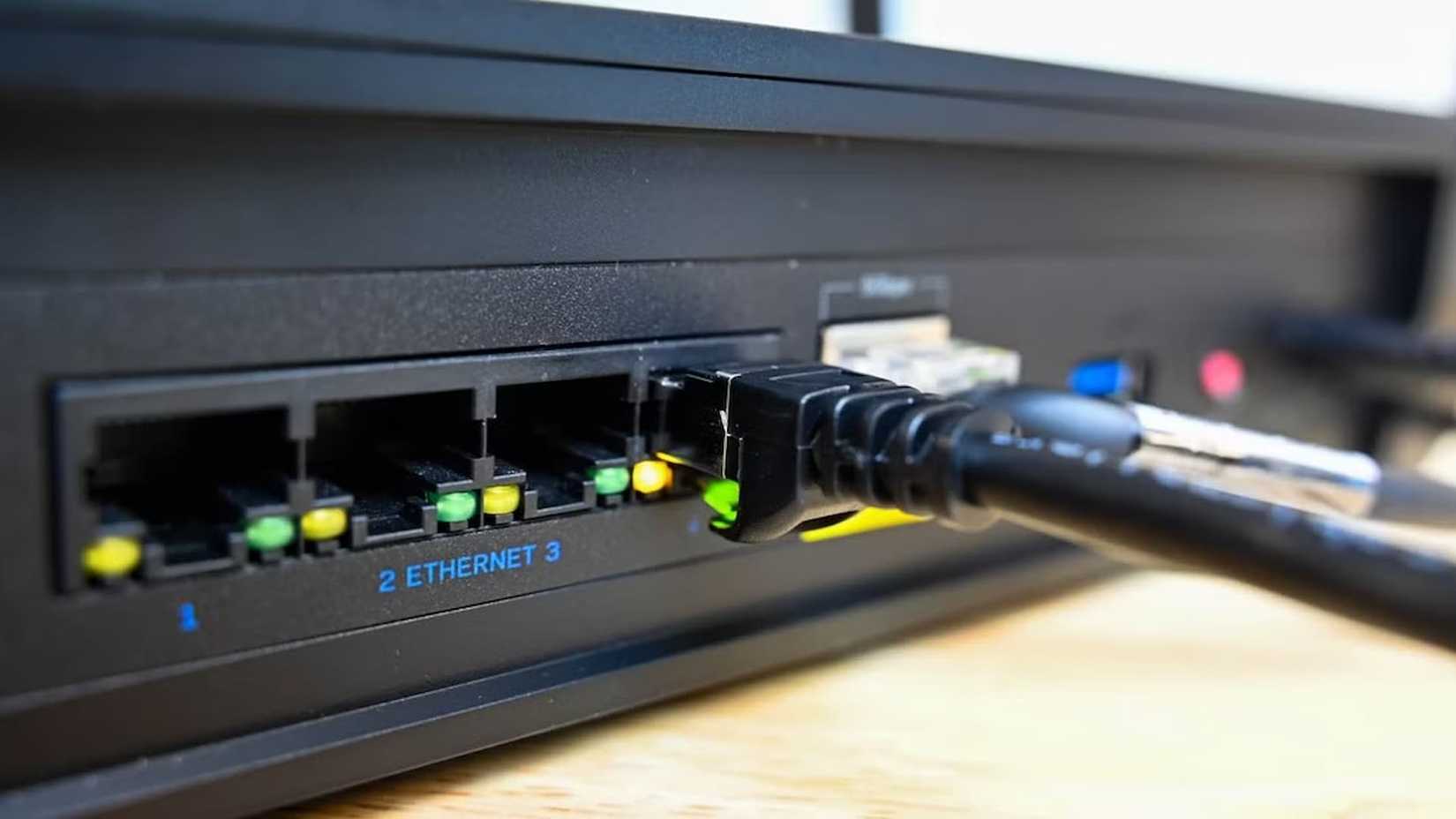
Still, once you find it, this page can tell you whether your router has an internet connection, how long it’s been running, whether clients are connecting properly, and, in some setups, whether the modem itself is seeing a clean signal.
Amazon’s Eero Pro 7 router may not be the cheapest ever, but it makes up for the price tag with support for 5Gb internet, tri-mesh, and a 2,000-sq.ft. range.
Once you hack your way into your router’s secret trove of information, the first thing I’d look for is the WAN IP, which is the address your router gets on the internet-facing side of the network. If the field is blank, shows 0.0.0.0, or otherwise looks like it never received an address, your Wi-Fi might not be the real problem at all.
Your devices may still be connected to the router just fine, but the router itself has nothing useful to pass along to them. At that point, changing Wi-Fi channels, renaming the network, or yelling at your router probably won’t do much; the issue is more likely between the router, modem, ONT, or ISP.
Rebooting your router won’t fix your Wi-Fi: 7 tricks that actually work
The next place I’d look is the router’s uptime and system logs, usually found under something like system, Administration, Advanced, or Logs.
Uptime tells you how long the router’s been running since its last restart (well, duh), which is useful because a router that rebooted 10 minutes ago might be the culprit in your connection issues. The logs can give you even more to work with, especially if you see repeated messages about WAN disconnects, DHCP failures, IP conflicts, DNS errors, or clients constantly reconnecting.
Not all routers offer robust logs (or any at all), but it’s worth checking. With that said, one weird-looking entry doesn’t equal disaster, but it’s good to look for patterns here.
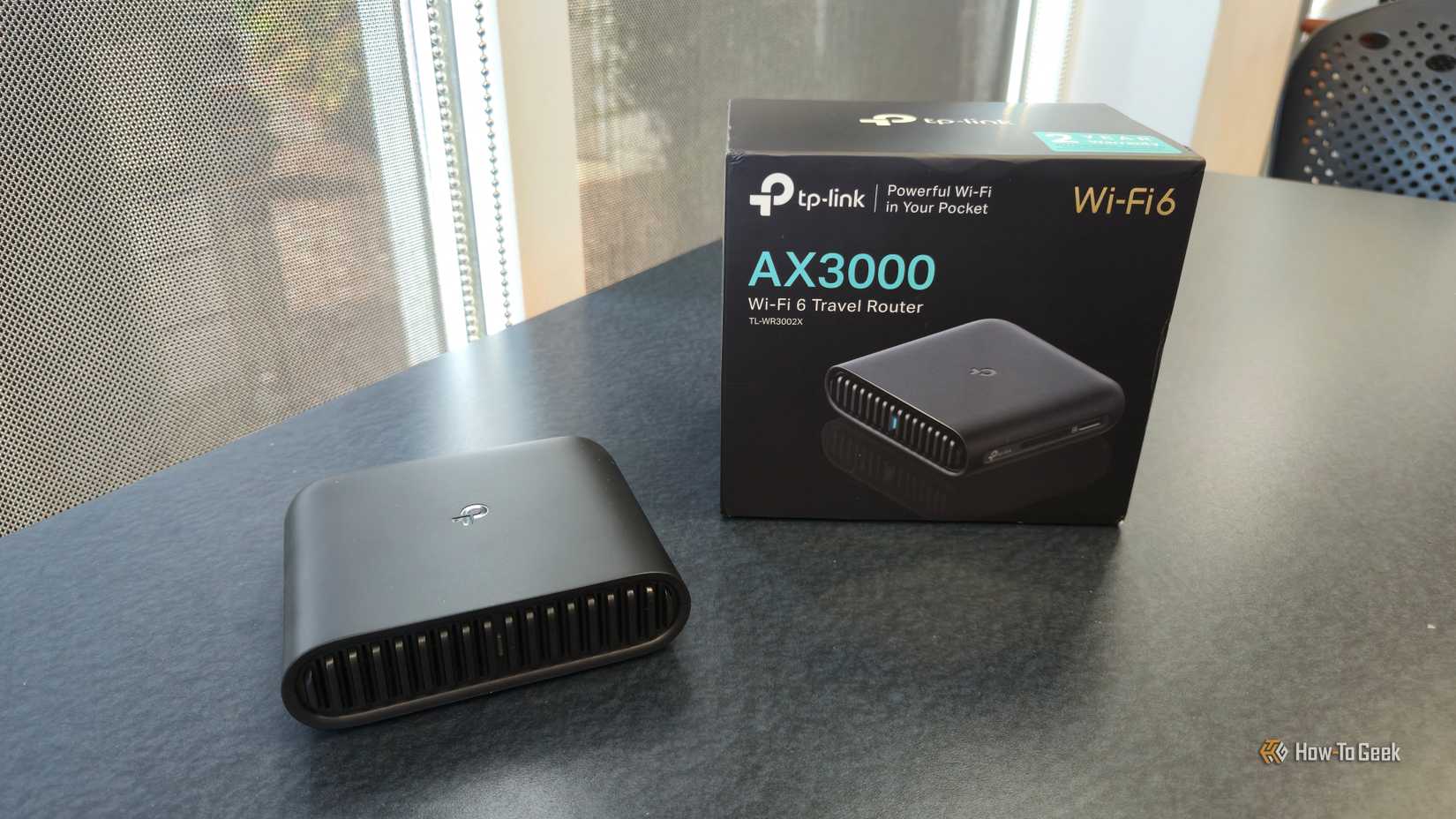
If you have cable internet, your router might not be the only device with useful information to share. Many cable modems have their own status page, often reachable at something like 192.168.100.1, and this can show you signal details that your router may never mention.
Look for things like downstream power, upstream power, locked channels, signal-to-noise ratio, and corrected or uncorrected errors.
You don’t need to become a cable technician overnight (although I’m sure that’s a good gig), but if one channel looks wildly different from the rest, the signal-to-noise ratio is low, or the modem keeps logging errors, that could be an important clue to share with your ISP.
Before you decide to throw away your router and start shopping for a replacement, check whether the problem is actually affecting every device in the house. Wi-Fi, for all its perks, can be pretty finicky, and you never know whether the problem lies with the connection, the distance to the router, or the device itself.
The status page should have some kind of client list that makes this easy to check. It’ll sometimes be called Attached Devices, Network Map, Clients, or DHCP Clients. The list can tell you which devices are connected, what IP addresses they were given, and whether anything keeps dropping off the network.
This is especially useful when the problem only seems to affect one device. When it’s just one thing that’s struggling, and the rest of your network is having a ball, you’re probably looking at a device, signal, DHCP, or placement problem rather than a full-on router failure.
Once you know what this mysterious status page is telling you, you can stop guessing and act on the right problem. No WAN IP means you should look at the modem, ONT, cables, ISP login, or ISP outage before touching Wi-Fi settings. Bad modem signal levels are something to document and fight your ISP about. Constant router reboots point toward problems with power, heat, firmware, or the hardware itself. And if just one device is dropping off while everything else is fine? Dig deeper and check its Wi-Fi settings, location, or assigned IP address.
The status page won’t magically fix your internet, but it should point you in the right direction, which makes it useful for troubleshooting.
If Wi-Fi is proving to be too much of a headache, why not try a wired connection? I use these cables for multiple devices, and they’re pretty brilliant.
About the Author